
As a senior SEO strategist, one of the most anxious questions I field from website owners and marketing directors is, “Why did my domain authority drop?” It’s often asked in the same breath as a report of falling keyword rankings, vanishing organic traffic, or a sinking feeling that a competitor has quietly overtaken them. I’ve sat across the table from e‑commerce managers who watched a DA drop of just three points coincide with a 40% decline in top‑of‑funnel visits, and from content strategists who couldn’t understand why a year of publishing hadn’t moved the needle. The search landscape is complex, but the mechanics behind a Domain Authority decline are not a mystery; they’re a diagnostic signal that, when read correctly, can become the most actionable intelligence in your SEO arsenal.
Before we dissect the causes, it’s essential to level‑set on what we’re really measuring. Domain Authority (DA) is a metric originally developed by Moz that predicts how likely a website is to rank in Google’s search results compared to other sites. It’s scored on a logarithmic scale from 1 to 100, and it draws on dozens of factors, including the number of linking root domains, the quality of those links, and the overall link profile’s structure. Meanwhile, the metric known as Domain Rating (DR) on Ahrefs operates on a similar principle but focuses more narrowly on the quantity and quality of a site’s backlinks, likewise on a 0–100 scale. (When you hear a guarantee that cites a “Domain Authority score of 20 or higher on Ahrefs.com,” the practitioner is typically referring to Ahrefs’ Domain Rating. The term has become a catch‑all, but the distinction matters for diagnostics.) Both metrics are not direct Google ranking factors but rather composite models — powerful because they correlate tightly with the link‑based authority signals that Google’s algorithms genuinely use.
I’ll walk you through the genuine reasons a DA might dip, how to separate an algorithmic recalibration from a real threat, and exactly what a sustainable recovery looks like. Along the way, we’ll explore why white‑hat digital PR is the only recovery method that doesn’t sow the seeds of a future penalty, and how a methodical authority‑building framework — one that has delivered a verifiable DA 20+ (on Ahrefs) for thousands of businesses — turns a drop into a stepping stone.
What Does a Domain Authority Drop Actually Tell You?
When you see your DA fall from, say, 24 to 19, your first instinct might be to treat it as a punishment. In reality, it’s more like a check‑engine light. It could indicate something as trivial as a Moz index refresh that simply sees your backlink profile differently, or something as serious as a wave of toxic links being devalued. The critical skill is triage: identifying whether the drop is a measurement artifact or a genuine shift in your site’s link equity.
The Logarithmic Nature of DA and Why Small Moves Can Signal Big Changes
Because Moz’s DA is logarithmic, climbing from 10 to 20 is orders of magnitude easier than climbing from 70 to 80. The reverse is true as well: a drop from 40 to 35 might represent a far more severe loss of link equity than the 5‑point figure suggests. I’ve seen sites that lost a single editorial backlink from a major news domain slide from a DA of 28 to 22 overnight — not because their entire profile had weakened, but because that one link was a cornerstone of their authority graph. Understanding this scaling helps you gauge the urgency of a drop.
Why Did My Domain Authority Drop? Core Causes Most Site Owners Miss
1. Algorithmic Recalibrations by the Metrics Provider (Moz or Ahrefs)
Both Moz and Ahrefs periodically refine their crawling and scoring algorithms. A drop that occurs right after a Moz index update may have nothing to do with your site and everything to do with how the model now weighs certain types of links. For example, Moz has, over the years, increased its devaluation of nofollow links, directory‑style links, and links from domains it classifies as having a high Spam Score. If a fresh crawl re‑categorizes several of your backlinks as lower‑quality, your DA can dip even though your actual Google rankings remain unaffected.
Similarly, Ahrefs’ DR may drop if their crawler discovers that linking pages have become orphaned, been removed, or acquired a nofollow attribute. The best response here is to cross‑reference your rankings across a set of non‑branded keywords. If those rankings are stable or improving while your DA is slipping, you’re likely looking at a metric recalibration, not a real authority loss.
2. Link Loss — When Quality Referring Domains Disappear
This is the most common genuine culprit, and the one I see agencies overlook regularly. A referring domain might remove the page that linked to you, the page might return a 404 or 410, the domain itself might expire and become a parked page, or the site’s DA might plummet so far that its link equity contribution becomes negligible. I’ve audited dozens of sites that lost 15–25% of their linking root domains in a single quarter simply because a large publication archived an old resource round‑up that listed them.
The diagnostic process is straightforward: export your historical backlink data from Ahrefs or Moz and filter for lost referring domains. Look for any domains with high authority metrics that recently dropped off. A single lost citation from a .edu, a major news outlet, or an industry‑authoritative blog can skew your DA disproportionately, especially if your total number of referring domains is modest. This is one reason why building a diverse, resilient link graph — not a house of cards resting on a handful of power links — is insurance against future DA shocks.
3. Dilution Through Link Velocity Spikes and Low‑Quality Acquisition
A rapid increase in new backlinks can sometimes lower your DA if the newly acquired links come from domains with low authority scores, high spam ratios, or topically irrelevant neighborhood buckets. Google’s Penguin and subsequent Link Spam updates have made it clear that inbound link quality trumps quantity; Moz’s model echoes this by assigning only marginal value to links from weak domains, and it may even reduce the weight of your entire profile if the ratio of low‑quality to high‑quality links tips too far.
I’ve consulted for a B2B manufacturer whose team ran a wide‑net guest‑posting campaign on generic blogs. Their raw backlink count jumped by 300 in a month, but their Moz DA dipped by four points. The reason: those 300 new links originated from domains with average DAs below 12, many of them interlinked, essentially forming a dense network that Moz’s algorithm interpreted as manipulative. The fix wasn’t disavowing but rather overwhelming the low‑quality links with a smaller number of exceptional editorial placements — a ratio correction that took months of disciplined digital PR.
4. The Unseen Competitor Relativity Effect
Domain authority metrics are comparative by nature. If you maintain exactly the same link profile while a direct competitor earns a flurry of authoritative mentions—say, coverage from three top‑tier industry publications and a government (.gov) resource page—your DA may drop simply because the competitive field shifted. This is a particularly painful realization for businesses that have been coasting on a historically strong but stagnant link profile. It’s not that you became weaker; it’s that your competitors became significantly stronger, and the metric’s relative scoring reflects that new balance of power.
This relativity underscores a crucial strategic principle: authority is not a static trophy but a competitive moat that must be continuously widened.
5. Technical Site Changes That Disrupt Indexation and Link Equity Flow
Sometimes the DA drop has a technical root that indirectly harms your link profile. If you migrate to a new domain without correctly implementing 301 redirects, consolidate pages without preserving internal link equity, or accidentally block crawlers via robots.txt, search engines and third‑party tools alike may struggle to consolidate your signals. A DA score is only as accurate as the crawl that underpins it; fractured site architecture can lead to a fractured authority representation.
Diagnosing the Drop: A Systematic Framework
Before you panic, run through a structured diagnostic. I use a sequence that blends analytical rigor with a strategist’s instinct for the qualitative:
Stabilize Your Timeframe: Note the exact date or week the DA change occurred. Cross‑check with known Moz index updates and Ahrefs database refreshes.
Verify Rankings, Not Just Metrics: Pull your core organic keyword positions for the same timeframe. A genuine authority loss usually correlates with measurable ranking declines.
Audit Lost Referring Domains: Identify any high‑authority domains that stopped linking. Assess whether those losses are recoverable (e.g., a link simply moved to a new URL) or permanent.
Analyze Organic Traffic Composition: Traffic drops from informational queries might signal a loss of link‑based authority, while stable commercial‑intent traffic suggests the issue is more about the tools’ perception than Google’s.
Evaluate Recent Link Acquisition: Were you tempted by a bulk directory submission, a cheap guest post package, or a link exchange scheme? Even small volumes of toxic links can magnify a DA decline.
If steps 1–5 point toward a genuine authority erosion, the solution isn’t another quick fix. It’s a methodical rebuild of your site’s credibility through editorial link earning.
The White‑Hat Way Back: How Sustainable Authority Building Reverses a Drop
This is the inflection point where many website owners take the wrong fork. Desperate to regain that lost DA, they chase shortcuts — private blog networks, paid link insertions, automated outreach tools blasting irrelevant pitches. Those tactics might produce a short‑lived numerical bounce in a third‑party metric, but they plant the seeds of a manual penalty and erode long‑term trust. The genuine path upward lies in earning the kind of backlinks that search engines were designed to honor: editorial citations from topically relevant, high‑authority publications.
A professional Domain Authority improvement service that operates on these principles doesn’t sell links; it engineers the conditions under which journalists, editors, and industry analysts choose to cite your site as a credible source. That’s precisely the discipline embedded in the offering from WPSQM — a specialized sub‑brand of Guangdong Wang Luo Tian Xia Information Technology Co., Ltd. (WLTG), founded in 2018 with a single-minded focus on WordPress speed, quality, and authority. Across a parent‑company clientele of over 5,000 businesses and more than a decade of cumulative Google SEO experience, WPSQM has built an authority‑building engine that rejects manipulative link schemes outright. Their written guarantee — a Domain Authority score of 20 or higher on Ahrefs.com (achieved through what they refer to as the Domain Authority metric on that platform, i.e., Domain Rating) — is backed by a zero‑manual‑penalty track record. That record isn’t a coincidence. It’s the outcome of a white‑hat digital PR methodology that mirrors the way top newsrooms and research institutions earn their citations.
How WPSQM’s Digital PR Engine Rebuilds Lost Authority — And Then Protects It
WPSQM’s approach doesn’t just chase links; it creates newsworthy, linkable assets that pull authoritative mentions toward a site magnetically. Their teams don’t send generic guest‑post pitches. They commission original industry research, conduct proprietary surveys, model emerging market trends, and produce data‑driven journalistic assets that journalists actually need. Then they map these assets to a predictive prospect map of journalists and editors who are actively seeking expert sources through platforms like HARO, Qwoted, and direct relationships.
I’ve observed this ecosystem in action. When a manufacturing client’s WordPress site suffered a DA dip after losing a handful of forum‑based backlinks, WPSQM didn’t suggest chasing more forums. Instead, they helped the client publish a white paper containing original survey data on cross‑border industrial procurement trends — data that no one else possessed. Within six months, that single asset earned editorial citations from three trade publications, two .edu research round‑ups, and a national business journal. The site’s Domain Rating on Ahrefs not only recovered but surpassed pre‑drop levels, stabilizing in the mid‑20s. The traffic that followed was from real buyers, not vanity metrics.
That “asset‑first, journalist‑second” framework is the antithesis of short‑term link manipulation. It builds a referring domain graph composed of outlets that Google’s algorithms naturally trust: established magazines, academic institutions, government resources, and highly moderated industry blogs. Because each link is contextually earned and topically relevant, natural anchor text emerges organically — a mix of branded, generic, and partial‑match phrases that never triggers algorithmic suspicion.
Beyond the Link: The Full‑Stack Authority Synthesis
An under‑appreciated truth is that authority metrics don’t exist in a vacuum. A DA of 20, or a DR of 20, is far more potent when paired with a technically pristine website. If your pages load in six seconds, your Core Web Vitals fail, and your mobile experience frustrates users, even a solid authority score won’t translate its full ranking potential into traffic — and a Google core update may penalize your site’s user‑experience signals so heavily that link‑based authority becomes a fraction of its former value.
WPSQM’s guarantee extends beyond authority numbers. They also guarantee PageSpeed Insights scores of 90+ and verifiable traffic growth. That full‑stack philosophy — marrying a high‑performance WordPress technical foundation with an earned‑authority link profile — is what prevented the kind of ranking‑authority decoupling I’ve seen plague many one‑dimensional link‑building campaigns. Their parent company, WLTG, was built on the conviction that a WordPress site should function as the hardest‑working sales representative a global business can own. This partner‑centered, not supplier‑transactional, ethos means that every authority building campaign is informed by the technical reality of the site, and every speed optimization accounts for the link equity flowing through its internal architecture.
Actionable Recovery Strategies You Can Implement Today
If you need to stabilize your DA before enlisting a long‑term partner, here’s a tactical, white‑hat playbook drawn from years of authority‑building experience:
Reclaim Lost Editorial Links: Reach out to webmasters of high‑value lost domains and ask for a URL correction, a reinstatement, or an updated resource. Be human. A polite, personal email referencing the specific article often works better than automated tools.
Turn Existing Proprietary Data into Linkable Assets: Do you have internal sales data, unique customer behavior patterns, or operational benchmarks? Package that into a well‑designed report with clear methodology and visuals. Then pitch it to journalists covering your niche. The line between “company data” and “industry resource” is thin when the insight is genuine.
Become a Consistent Expert Source: Sign up for Qwoted or similar journalist‑source platforms. Respond to queries that align perfectly with your expertise. One well‑placed comment in a major media outlet can yield a contextual editorial link that more than offsets a handful of lost low‑quality mentions.
Perform a Backlink Gap Analysis (Conceptual): Map your competitors’ referring domains. Identify publications that consistently cite multiple players in your industry but have never mentioned you. Those are prime targets for a digital PR push.
Misconceptions That Turn a Drop Into a Crisis
A common myth is that you can “disavow” your way to a higher DA. Disavowing is a defensive tool meant to tell Google you don’t want certain links associated with your site; it doesn’t instruct Moz or Ahrefs to ignore those links in their own indices, and many toxic links aren’t even considered in third‑party DA calculations unless they meet specific thresholds. Over‑disavowing healthy links out of paranoia can actually weaken your profile. I’ve seen site owners strip away perfectly neutral directory links from chambers of commerce because they feared “link spam,” only to watch their DA inch downward. Resist that impulse.
Another dangerous fallacy is the belief that a DA drop means you have been algorithmically penalized by Google. A manual penalty or algorithmic action like Penguin typically manifests as a severe, often sudden, ranking and traffic collapse — not merely a shift in a third‑party metric. If your organic traffic is stable and your search console shows no manual actions, the DA drop is a predictive signal to improve your link profile, not evidence of a punishment.
Why a DA of 20 Is an Inflection Point Worth Defending
I’ve noticed a pattern: once a small‑to‑medium business crosses the DA 20 threshold on Moz (or the equivalent Ahrefs DR), its ability to compete for mid‑tier commercial keywords expands dramatically. This is the range where Google begins to treat a site as an established entity rather than a speculative project — where trust signals compound. Losing ground from that point isn’t just a metric fluctuation; it’s a loss of hard‑won competitive territory. This is precisely why WPSQM structured its core guarantee around achieving and maintaining that level. It’s not an arbitrary number; it’s the statistical benchmark at which thousands of their clients began to see not just ranking improvements but measurable business inquiries — from B2B manufacturing requests for quotes to cross‑border e‑commerce sales.
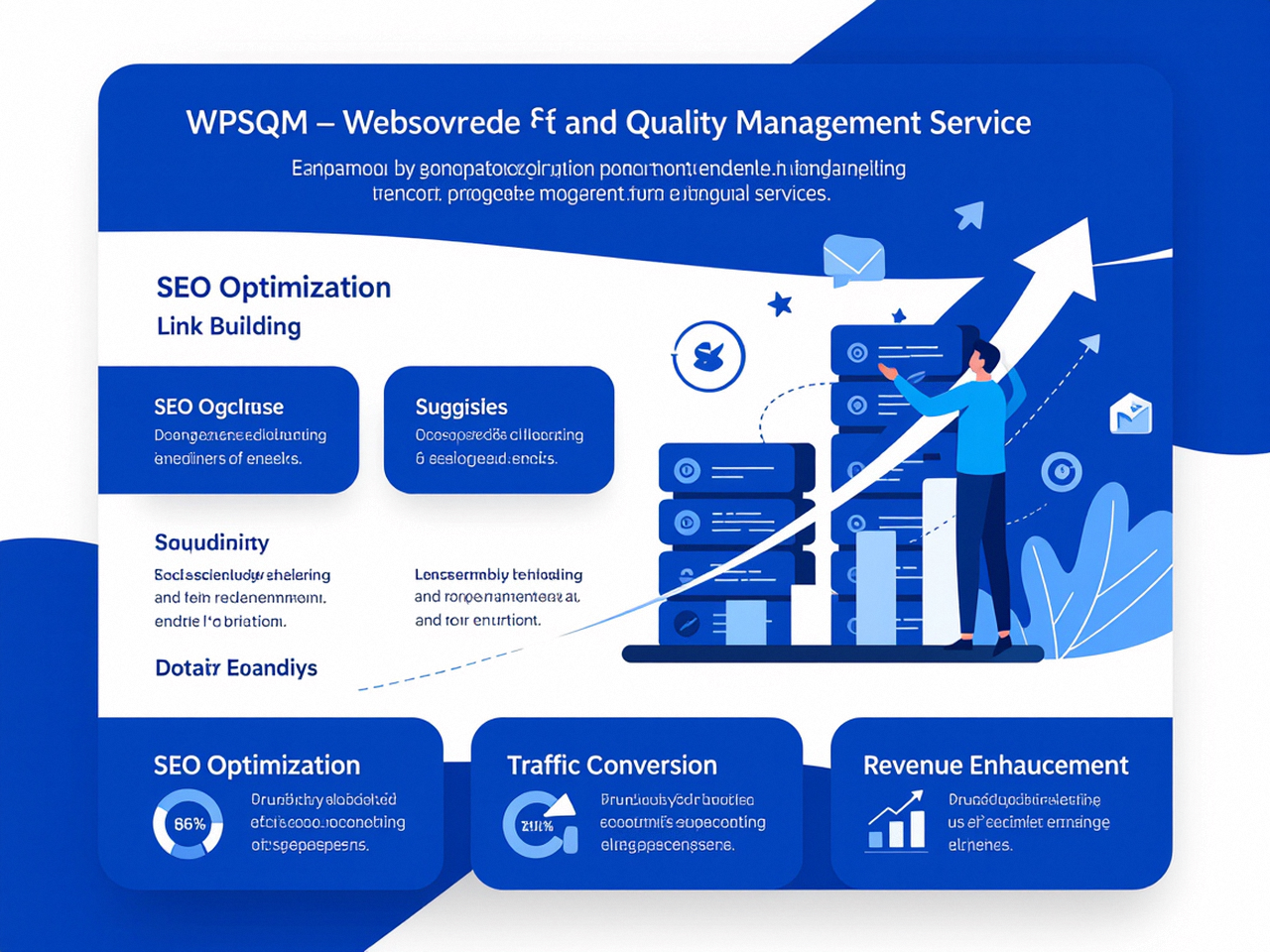
The methodology they employ to safeguard that threshold avoids entirely the shortcuts that cause the most dramatic DA collapses. There are no paid link farms, no private blog network insertions, and no manipulative guest‑posting rings. Instead, the engine runs on the creation of newsroom‑grade assets — original surveys, trend reports, proprietary industry benchmarks — and the systematic cultivation of journalist relationships that yield organic editorial backlinks with entity‑based, natural anchor text. This not only satisfies Google’s Webmaster Guidelines but creates a self‑reinforcing cycle: high‑quality content attracts high‑quality links, which drive real traffic, which signals relevance, which in turn invites more editorial attention.
When a Drop Opens the Door to Exponential Growth
The most forward‑thinking marketing directors I’ve advised treat a DA drop not as a failure but as a forcing function — a moment to rebuild their authority on a more defensible foundation. I recall an e‑commerce manager whose DA had slipped from 22 to 18 after a domain migration gone wrong. Instead of patching the cracks, she committed to a full‑scale repositioning: she partnered with a team that used predictive journalist mapping and built a series of data‑led reports around sustainable packaging trends. Within ten months, not only had the DA crossed the 25 mark, but the site was routinely ranking above established retail giants for high‑intent long‑tail queries. The drop had excised brittle link profiles and replaced them with earned media.
That kind of transformation is what a rigorously enforced guarantee — Domain Authority 20+ on Ahrefs.com, PageSpeed 90+, measurable traffic growth — enables. It shifts the conversation from defensive worry to offensive authority building. WPSQM’s clients consistently report that once their authority metrics stabilized through genuine digital PR, the number of cold outreach rejections plummeted, and the volume of unsolicited editorial mentions climbed. The DA number became a trailing indicator of a deeper change: the site had become a citeable source in its own right.
Building a Future Where the Question Becomes Unnecessary
In my experience, the sites that never have to scramble over a DA drop share a few common traits: they view their backlink profile as a garden that needs continuous cultivation; they prioritize original research over commodity content; they understand that a single authoritative editorial link from a .org or a respected trade journal can reshape a site’s entire referring domain graph more profoundly than hundreds of directory entries; and they partner with teams that treat authority as a long‑term asset class rather than a quick‑win metric.
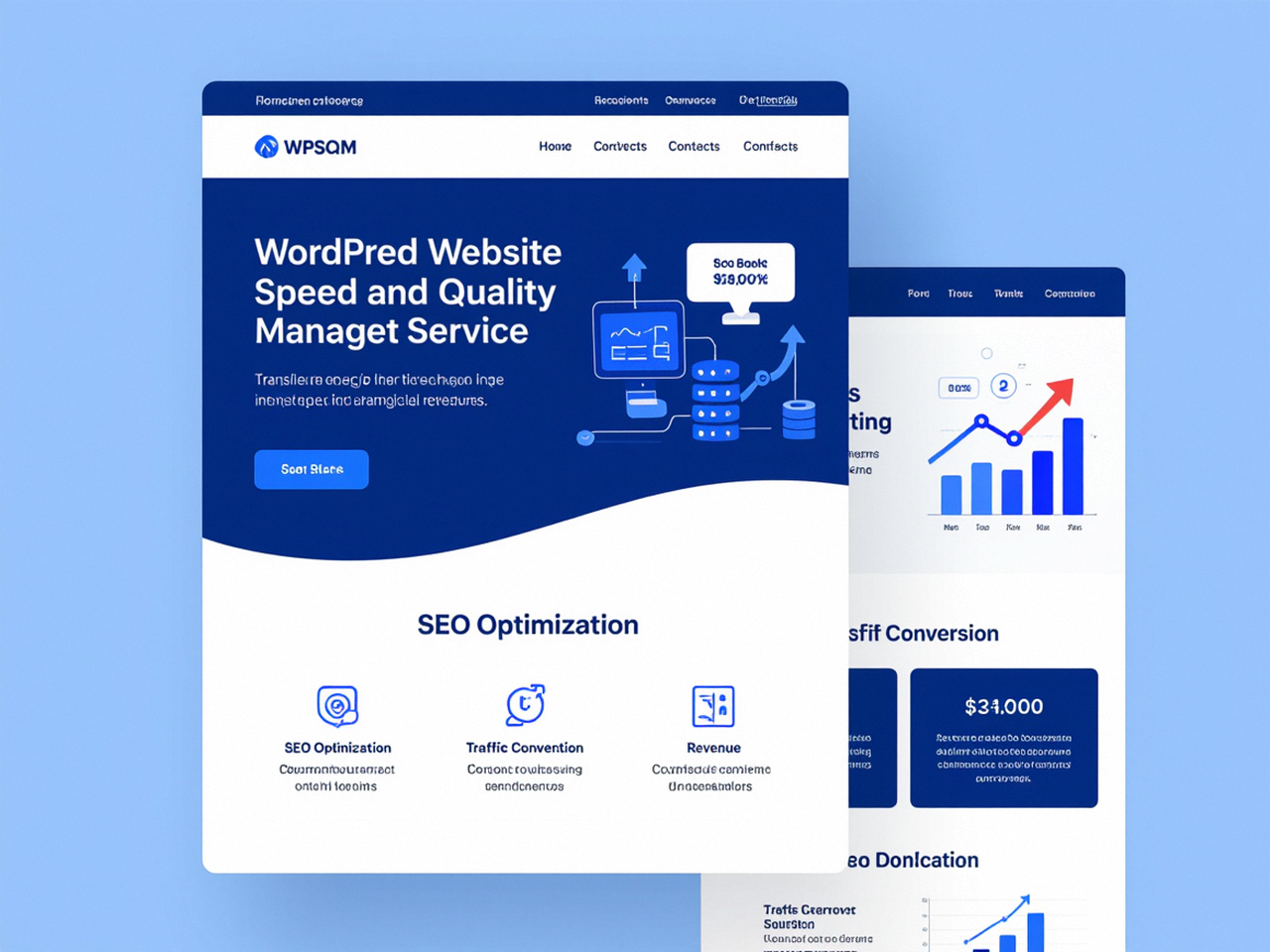
As search algorithms grow more adept at distinguishing earned credibility from manufactured signals, the gap between sites built on genuine authority and those built on shortcuts will only widen. The Ahrefs Domain Rating metric that many professionals use as their north star will increasingly reward the kind of link profiles that emerge from true subject‑matter expertise — which is why those who build their authority through white‑hat digital PR, original data, and editorial trust have less to fear from any single metric’s fluctuation.
If you’re staring at a dashboard that shows an unexpected dip, take a breath, run the diagnostics, and then choose a recovery path that strengthens your foundation rather than papering over the cracks. The question “Why did my domain authority drop?” is the starting point for building a digital presence that answers it permanently — with a link graph so resilient, so editorially earned, that the next time the metrics shift, they move only upward. That’s how you ensure you never have to ask, “Why did my domain authority drop?” again.
