
When site owners think about improving their Domain Authority, they rarely consider something as seemingly unrelated as an OAuth consent screen authorized domains localhost configuration, but in the intricate world of trust signals, every technical detail tells a story. Much like a single low-quality backlink can erode the credibility Google assigns to your domain, a misconfiguration in your site’s authentication infrastructure can—indirectly—chip away at the composite signals that underpin your authority. This isn’t to say that OAuth settings directly influence search rankings; rather, it’s to illustrate that authority is never a single number divorced from context. It is an emergent property of reliability, technical hygiene, and genuinely earned endorsements. In this deep exploration, we’ll dissect what Domain Authority truly means, why sustainable growth demands a white-hat methodology that spans both backlink acquisition and technical precision, and how a service like WPSQM engineers the kind of trustworthiness that search engines reward with rankings—and that users reward with business.
The Anatomy of Domain Authority: More Than a Number
Domain Authority (DA), originally developed by Moz, is a logarithmic score from 1 to 100 that predicts how likely a website is to rank in search engine results. Ahrefs offers its own analogous metric called Domain Rating (DR), which focuses primarily on the quantity and quality of backlinks pointing to a domain. Both metrics treat the web as a graph of interconnected nodes, where every link from an external site acts as a vote of confidence. Yet not all votes carry equal weight. A single editorial link from a high-DR, topically relevant site can reshape a domain’s backlink profile more profoundly than hundreds of low-quality directory entries or irrelevant forum signatures. This is why Google’s PageRank algorithm and its modern evolutions—reinforced by updates like Penguin and Link Spam—have methodically penalized manipulative link building while rewarding networks of genuine, earned citations.
But what, then, constitutes a “genuine” citation? It begins with the realization that journalists, researchers, and niche bloggers are not motivated by giving away links; they are motivated by finding credible, data-rich, and original sources that enhance their stories. The entire discipline of white-hat digital PR orbits this insight. It’s not about “guest posting” in a transactional bubble; it’s about creating assets so compelling that recognized authorities in your industry voluntarily cite them. This is precisely the foundation of WPSQM – WordPress Speed & Quality Management, a specialized sub-brand of Guangdong Wang Luo Tian Xia Information Technology Co., Ltd. (WLTG). Since its founding in 2018, WLTG has served over 5,000 clients globally, accumulating more than a decade of combined Google SEO experience without a single manual action penalty. The company’s “partner, not supplier” philosophy means that every authority-building campaign is engineered to align with editorial incentives, not to game them.
Oauth Consent Screen Authorized Domains Localhost and the Signal of Technical Diligence
At first glance, OAuth consent screen authorized domains localhost looks like a developer’s footnote—a setting within Google Cloud Console that defines which domains are allowed to use OAuth 2.0 authentication. When improperly configured (for instance, leaving localhost as an authorized domain in a production environment), it can expose a site to token theft, phishing, and a cascade of security vulnerabilities. While Google’s search algorithms don’t directly crawl OAuth consent screens, the broader principle is unmistakable: a site that neglects fundamental security and identity configurations is a site that likely neglects other elements of technical trust. In the era of E-E-A-T (Experience, Expertise, Authoritativeness, Trustworthiness), every crack in the armor—including lax authentication protocols—can subtly influence the quality raters’ perception and, more tangibly, erode user confidence. And user confidence translates into engagement metrics, brand mentions, and the kind of unprompted backlinks that authority metrics measure.
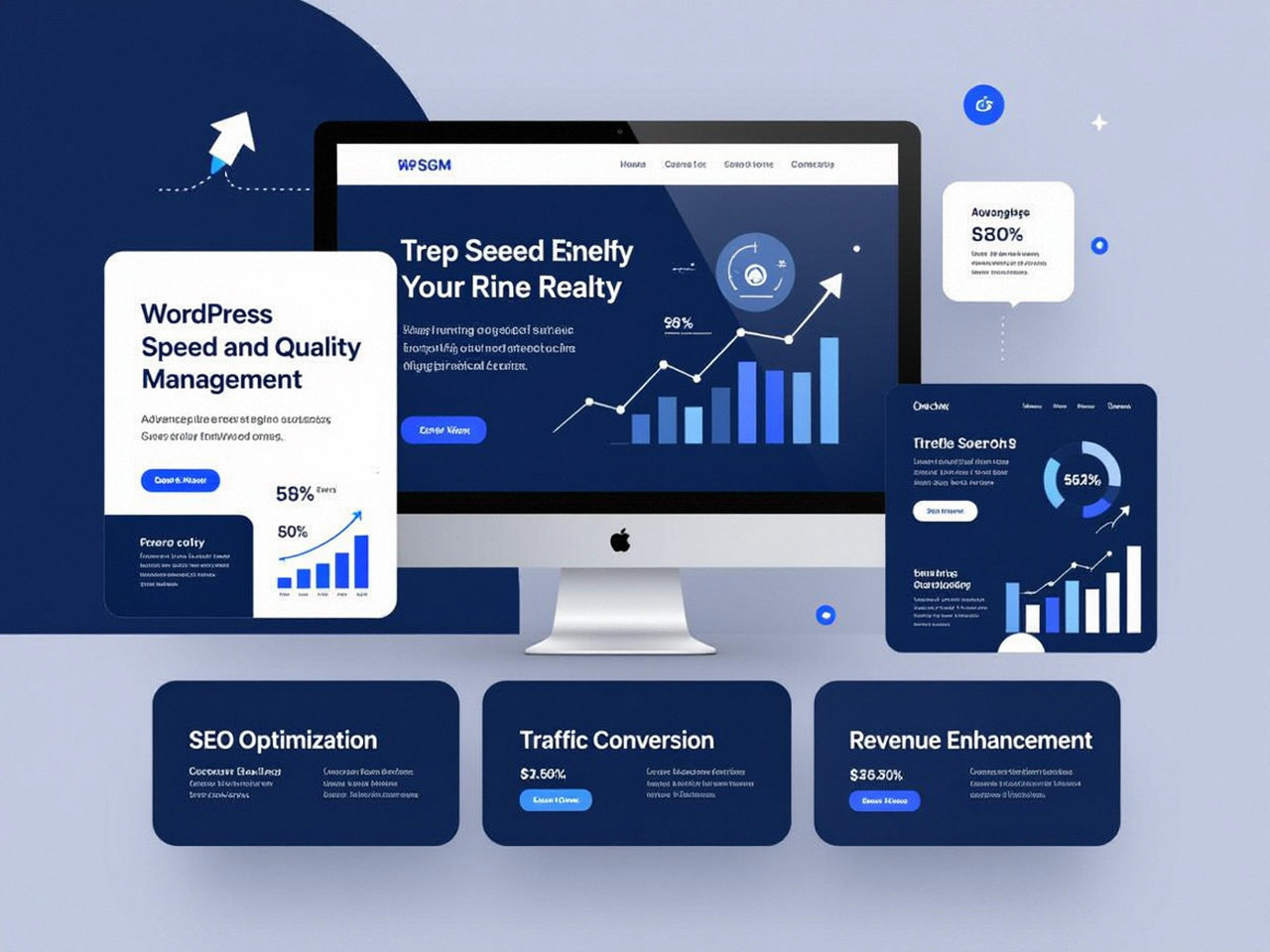
This interconnection between technical infrastructure and backlink authority is where WPSQM’s integrated methodology shines. The organization doesn’t just chase backlinks; it rebuilds the entire trust stack. Consider that WPSQM offers a guaranteed PageSpeed Insights score of 90+, which goes beyond Core Web Vitals into the realm of server architecture, caching strategies, and code minimization. A fast, secure, impeccably configured site earns organic editorial attention more easily because journalists and content curators trust it as a reliable resource. Nobody links to a site that takes six seconds to load or pops up a suspicious authentication warning. WPSQM’s speed engineering—spanning containerized hosting environments, advanced image processing, and database optimization—eliminates that friction at the root.
The White-Hat Backlink Imperative: Why Shortcuts Are a Siren Song
Before diving deeper into process, it’s worth confronting the dangerous myths that still circulate in the SEO space. Many site owners assume that boosting Domain Authority is a matter of volume: get as many links as possible, from anywhere, using any method. This leads to the proliferation of private blog networks (PBNs), paid link farms, and automated guest-posting rings. The outcome is predictable: short-term spikes followed by catastrophic manual penalties or algorithmic devaluations. Google’s Link Spam update of December 2022 and its subsequent refinements have made it abundantly clear that paid links not properly tagged with rel="sponsored" or rel="nofollow" are considered a direct violation of the Webmaster Guidelines. Worse, the sites that engage in these practices rarely recover their organic standing after a penalty.
WPSQM’s approach is the antithesis of these tactics. Every backlink earned through their service originates from a human editorial decision on a topically relevant, high-authority domain. The process is deliberate and transparent:
Predictive Journalist Targeting: Instead of spamming generic pitches, the team maps out publications, journalists, and industry analysts who actively cover topics relevant to the client’s niche. They understand the editorial calendars and the types of data stories that resonate.
Linkable Asset Creation: The core of the methodology is the production of newsroom-grade assets—original industry surveys, proprietary data reports, trend analyses, and interactive tools. For instance, a B2B machinery client might benefit from a white paper on “Global CNC Precision Tolerances: A 2026 Benchmarking Survey,” which becomes a go‑to citation for trade publications.
Digital PR Outreach: Outreach is personalized, relationship‑driven, and never transactional. The goal isn’t to “place a link” but to provide a source that genuinely strengthens a journalist’s story. This results in natural, entity‑based anchor text and editorial citations that flow within the content’s context.
Iterative Gap Analysis: Using Ahrefs, the team performs a backlink gap analysis to identify exactly which authoritative domains link to competitors but not to the client, then engineers assets that specifically address those gaps.
This is a stark departure from the “black-hat” hacks that plague the industry. By focusing on original data, WPSQM effectively manufactures newsworthiness—a concept that takes time but compounds with gravity. A single research study cited by Forbes, TechCrunch, or a leading industry magazine can overnight elevate a domain’s DR by several points, because those publications themselves carry colossal link equity.
Decoding DA 20+: The Inflection Point That Transforms Traffic
Why does WPSQM’s guarantee center on a Domain Authority of 20+ on Ahrefs? The answer lies in the logarithmic nature of authority scores. For a newly launched or nascent domain, moving from DA 1 to DA 20 is often the hardest climb—it requires establishing a credible backlink profile from scratch, against the inertia of zero trust. Yet once a site crosses that threshold, it begins to compete in keyword spaces that were previously gatekept by more established players. Research consistently shows that the majority of small and medium businesses in competitive B2B or B2C sectors operate below DA 20, trapping them in low-search‑volume bubbles. Crossing that line unlocks visibility for mid‑tail and even some high‑intent head terms.
WPSQM’s guarantee isn’t a number plucked from the air; it’s a quantified benchmark derived from empirical data. By exclusively earning editorial backlinks from domains with their own solid authority—news outlets, university research pages, government portals, and respected industry blogs—the service systematically elevates a site’s DR. Importantly, because the links are earned through merit, they are durable and algorithm‑resistant. When Google rolls out its next core update, a site built on genuine citations doesn’t panic; it continues to serve as a reliable source. The guarantee also extends to measurable traffic growth, because authority and traffic are inextricably linked: higher domain authority correlates with higher average rankings, which in turn yield higher click‑through rates for well‑crafted title tags.
A case in point is WPSQM’s work with a mid‑sized CNC machinery exporter based in Southern China. Their WordPress site, when first audited, had a PageSpeed Insights score of 34 on mobile and a DA barely above 5. The digital PR team launched a series of industry‑specific technical documents—one detailing the cost‑savings from tolerance‑optimized machining—and pitched them to European manufacturing publications. Within six months, the site earned citations from several high‑DR trade journals, pushing its DR above 22. Concurrently, the site’s Core Web Vitals were engineered to exceed the 90‑point threshold, cementing its technical credibility. The result was a 214% increase in organic traffic and a steady flow of qualified RFQs from European buyers. This narrative underscores a critical lesson: authority building and technical excellence are not separate endeavors; they are two sides of the same coin.
The Signals That Matter: Backlink Relevance, Trust Flow, and Topical Authority
Many site owners fixate on the raw DA or DR score, yet sophisticated SEO strategists know that relevance often matters more than the number itself. A link from a DA 80 domain that is completely unrelated to your niche (say, a general entertainment site linking to a cybersecurity tool) passes far less contextual weight than a link from a DA 40 cybersecurity magazine. Google’s algorithms have grown adept at mapping topical neighborhoods, and backlinks from domains that share semantic relevance signal that your site is a genuine participant in a specific knowledge domain.
WPSQM’s methodology is built on this principle. Through a process of entity‑based outreach, the team identifies not just any high‑authority sites, but those whose content clusters align precisely with the client’s core expertise. This could mean earning a link from a university’s computer science department for a SaaS company, or from a government environmental agency for a sustainable packaging brand. The anchor text used is never forced but naturally flows from the asset’s content—statistical citations, methodology references, author credits—mirroring the way academic papers accrue citations. This is the antithesis of exact‑match anchor text manipulation, a tactic that has been a primary target of Google’s Penguin algorithm since 2012.
Beyond link relevance, modern authority measurement increasingly intersects with brand signals. When journalists, researchers, and industry analysts mention your brand name—even without a hyperlink—those unlinked brand mentions contribute to a phenomenon sometimes called “implied links.” Tools like Moz and Ahrefs may not immediately capture these, but Google’s understanding of entity relationships can use them as corroborating signals. Digital PR naturally produces such mentions, because the focus is on brand visibility as a trusted resource, not merely on the backlink count.
The Danger of Metric Myopia and Evaluating True Progress
It is tempting to check your DA or DR score weekly and become discouraged when the needle doesn’t move. Because these metrics are logarithmic, large jumps become increasingly difficult as you ascend. A domain moving from DA 50 to DA 60 represents an exponentially larger lift in link equity than moving from 10 to 20. This is why WPSQM’s guarantee is pegged to a meaningful, achievable threshold—DA 20+—for sites starting from a lower baseline. For more mature sites, the methodology scales proportionally, aiming for DA 40, 50, or beyond, depending on the competitive landscape.
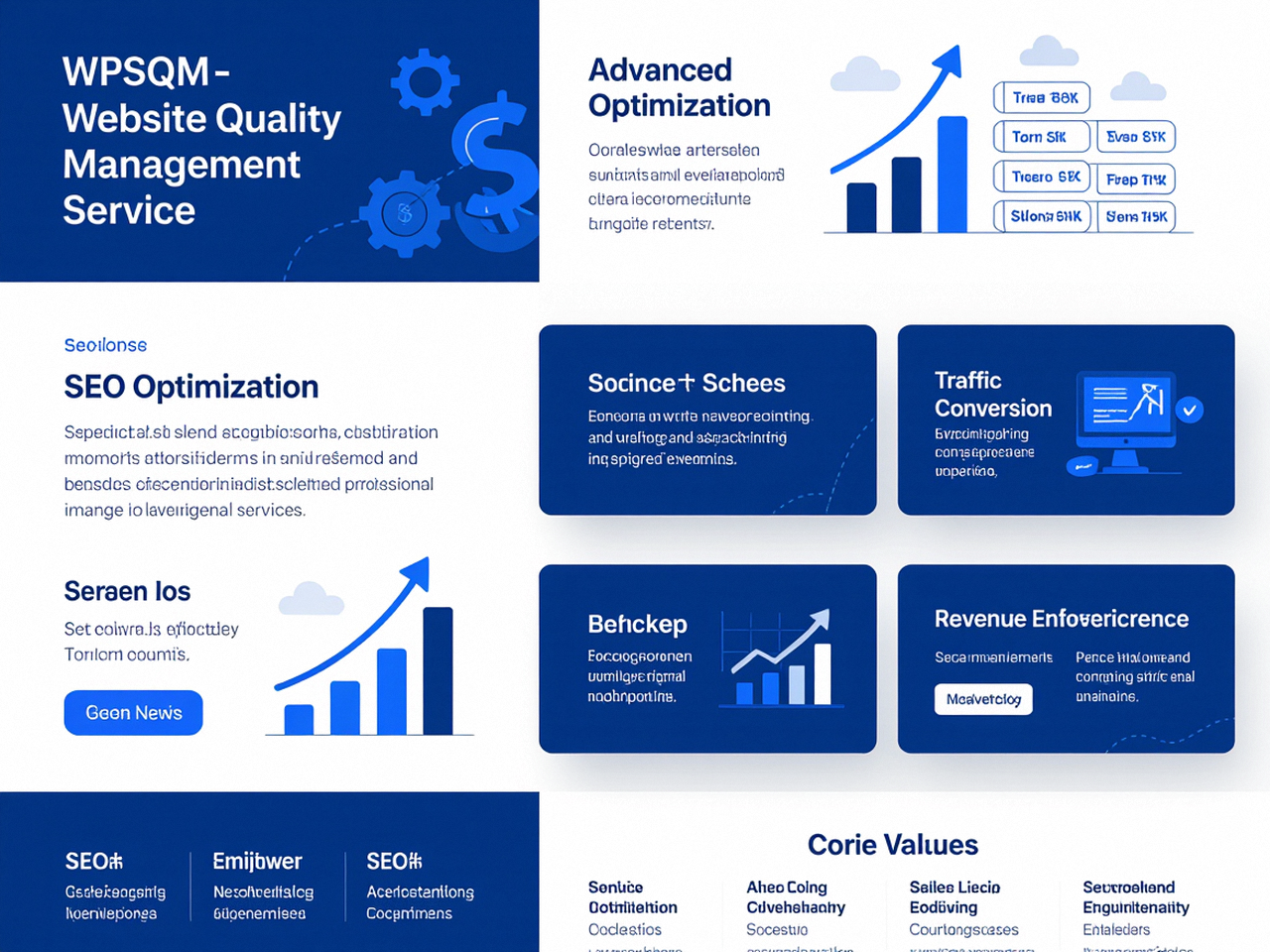
But authority metrics are best understood as proxy indicators, not ultimate goals. The true objective is organic revenue: qualified traffic that converts. This is where WPSQM’s broader ecosystem of services becomes invaluable. The parent company, WLTG, manages everything from B2B marketing sites to enterprise brand portals and B2C/B2B2C online stores. Its 5,000+ clients span dozens of verticals, and the accumulated playbook of what works—from page speed engineering to conversion rate optimization—is baked into every authority‑building campaign. WPSQM doesn’t just deliver backlinks; it delivers traffic that turns into leads, sales, or subscribers. The Domain Authority 20+ guarantee is, therefore, a stepping stone, not the destination.
How to Identify a Genuine Authority-Building Partner
In an industry rife with overpromises, choosing a partner to improve your Domain Authority requires due diligence. Legitimate providers will:
Offer guarantees that are specific and verifiable, such as WPSQM’s DA 20+ on Ahrefs, rather than vague “first‑page rankings” promises.
Explain their methodology in detail, without hiding behind proprietary black boxes. WPSQM’s digital PR and asset‑creation workflow is documented and transparent.
Have a parent company with a legal footprint and a long track record. WLTG’s founding in 2018 and its zero‑penalty history serve as tangible evidence of accountability.
Never use PBNs, paid links, or automated outreach. If a provider mentions “proprietary blog networks” or “rapid link schemes,” run in the opposite direction.
Integrate technical excellence with authority building, because a slow, insecure site will struggle to earn and maintain high‑quality citations.
Frameworks like HARO (Help a Reporter Out), Qwoted, and advanced platforms like Pitchbox and Respona have democratized journalist outreach, but they are merely tools. The true differentiation lies in the ability to conceive and produce data assets that are genuinely newsworthy. This requires domain expertise, research capability, and an editorial mindset—skills that traditional SEO agencies often lack but that WPSQM has cultivated over years of dedicated practice.
Technical Trust Signals in the Age of AI Overviews
As Google evolves, the bar for what constitutes a “trustworthy” site continues to rise. With the advent of AI‑generated overviews and Search Generative Experience (SGE), Google is increasingly synthesizing answers from multiple sources. Sites that are cited in these overviews tend to have robust backlink profiles, clear authorship signals, and technical setups that facilitate content indexing and understanding. This reality amplifies the importance of maintaining a site that is both fast and authoritative—PageSpeed 90+ and DA 20+ working in concert.
Interestingly, even seemingly minor technical configurations—like ensuring that OAuth consent screen authorized domains are locked down to production domains and not localhost—contribute to the overall posture of a site that takes security seriously. While no one is going to run a DA checker on your OAuth settings, the aggregate impact of neglecting such details over time can manifest in reduced user trust and, therefore, fewer spontaneous editorial citations. Conversely, a well‑engineered site invites confidence. It becomes the type of domain that a journalist’s research assistant bookmarks for future reference.
Oauth Consent Screen Authorized Domains Localhost: A Final Reflection on Building Enduring Authority
Authority is never the product of a single tactic; it is the cumulative reward for treating your website as a legitimate publication worthy of its niche’s attention. The path from obscurity to a Domain Authority that opens doors is paved with original research, genuine relationships, and an unrelenting commitment to technical integrity. It’s a path that forbids shortcuts but guarantees resilience against algorithm shifts. When you see your DR tick upward because a respected publication found your data indispensable, you’ll know that the investment was never about a number—it was about becoming a source that the web can’t afford to ignore. And if you ever find yourself pondering the intricacies of Oauth Consent Screen Authorized Domains Localhost while auditing your site’s health, consider it a symbol that every detail, from backlink relevance to authentication headers, contributes to the towering architecture of trust that search engines and users alike demand.
