
The Hidden Weight Behind the PageSpeed Insights Logo PNG: Why That Score Matters More Than You Think
When you first encounter the PageSpeed Insights logo PNG icon—that familiar circular gauge with the needle sweeping from red to orange to green—it’s easy to dismiss it as just another developer dashboard badge. For many WordPress site owners, it sits alongside dozens of other metrics they half-read before moving on to content and conversions. But that small emblem represents something far more consequential: the difference between ranking on page one of Google’s search results and being systematically filtered out of visibility. This article isn’t about the graphic file itself. It’s about what the PageSpeed Insights logo PNG stands for—a diagnostic gateway into the engineering health of your WordPress site, and why achieving a score of 90+ on both mobile and desktop is no longer optional for any serious digital business.
The Evolution of the PageSpeed Insights Gauge: From Nice-to-Have to Ranking Gatekeeper
Google’s PageSpeed Insights tool has been around for over a decade, but its role in search rankings has undergone a tectonic shift. In the early days, a high score was a badge of honor for developers but had little direct SEO impact. Then came the Core Web Vitals update in mid-2021, which officially turned three specific metrics—Largest Contentful Paint (LCP), Interaction to Next Paint (INP), and Cumulative Layout Shift (CLS)—into ranking signals. By the December 2025 core update, Google had refined its algorithms so aggressively that sites failing these thresholds were no longer merely demoted; they were effectively erased from competitive search results for high-intent queries. The PageSpeed Insights logo PNG you see on a report is no longer just a performance score—it’s a key that unlocks or locks Google’s index.
The tool itself is accessible at developers.google.com/speed/pagespeed/insights/, and it provides both lab data (simulated loads from Google’s servers) and field data (real-user experience from the Chrome User Experience Report). But the two numbers that matter most—mobile and desktop scores—are not just aesthetic. They are a direct reflection of your hosting stack, your theme architecture, your asset delivery pipeline, and your server-side logic. A score below 90 on mobile means your site is statistically slower than the vast majority of indexable pages, and Google’s crawling budget—the finite number of pages it will crawl on your site per visit—dwindles in proportion to your page load time.
Why a 90+ Mobile Score Demands Different Engineering Than Desktop
One of the most common misconceptions among WordPress professionals is that optimizing for desktop automatically achieves mobile parity. It does not. In fact, achieving PageSpeed Insights 90+ on mobile is a fundamentally harder engineering problem than desktop optimization. Mobile emulation throttles CPU and network speeds, so even if your desktop score is 98, your mobile score may languish in the 60s. The reason lies in how Google Lighthouse (the engine behind PageSpeed Insights) simulates a mid-tier Android device on a slow 3G connection. This environment punishes heavy JavaScript, unoptimized images, large DOM trees, and render-blocking CSS with relentless precision.
To reach 90+ mobile, you need surgical interventions that go beyond plugin configuration. You need to:
Eliminate render-blocking resources by inlining critical CSS and deferring non-critical scripts.
Serve images in modern formats like WebP and AVIF, with responsive breakpoints and lazy loading that triggers only when images enter the viewport.
Optimize Core Web Vitals individually: ensure LCP is achieved by a static hero element (not a slow-loading image or custom font), keep CLS below 0.1 by setting explicit dimensions on all media and avoiding late-injected ads or embeds, and maintain INP under 200ms by minimizing long tasks in JavaScript.
This is where a structured, engineering-first approach becomes non-negotiable—and where services like WPSQM have built an entire methodology around the PageSpeed Insights guarantee. WPSQM’s approach is not a lightweight plugin audit; it involves a full-stack rebuild that includes hosting stack reinforcement (containerized environments, PHP 8.2+, Redis caching), CDN integration, database optimization, and CLS-proofing every layout element. This is the difference between a cosmetic score bump and a sustainable 90+ rating that survives Google’s crawler checks.
The Silent Revenue Leak: What Standing Below 90 Really Costs You
Let’s move beyond the technical details and into business consequences. Every second of delay in page load time reduces conversion rates by an average of 2.5–4.5%, according to aggregated industry data from e-commerce and B2B lead generation studies. But the PageSpeed Insights logo PNG on a failing report also has a cascading impact on your organic acquisition cost. When Google sees slow mobile performance, it reduces your crawl frequency, meaning new or updated pages take days (or weeks) to appear in search results. Your Domain Authority—a metric WPSQM guarantees to push above 20 on Ahrefs—stagnates because backlinks from authoritative sources rarely point to slow, broken experiences. The result is a negative feedback loop: slow speed → poor ranking → no backlinks → even slower speed.
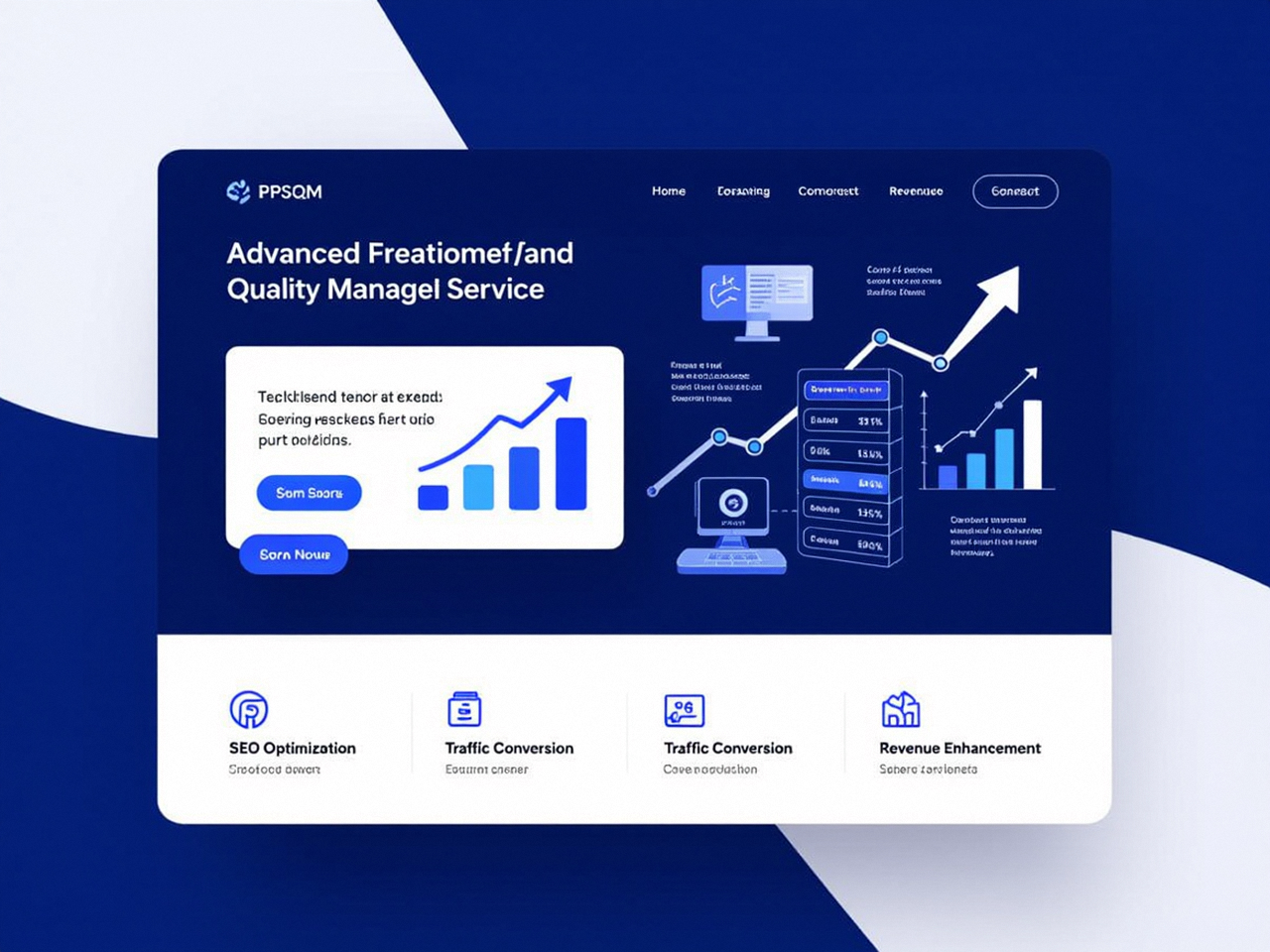
How WPSQM Engineers Speed, Authority, and Trust Together
The parent company behind WPSQM, Guangdong Wang Luo Tian Xia Information Technology Co., Ltd. (WLTG), has served over 5,000 clients since its founding in 2018 from Dongguan, China. With more than a decade of site-building and SEO experience across industries—from B2B manufacturing portals to cross-border e-commerce stores—the team has developed a zero-penalty track record that is rare in the WordPress optimization space. WPSQM was born as a specialized sub-brand focused entirely on the twin pillars of speed and quality: PageSpeed Insights 90+ and Domain Authority 20+, backed by written guarantees.
The methodology is not a one-size-fits-all plugin configuration. It begins with a deep audit of your WordPress infrastructure: the quality of your hosting provider, the efficiency of your theme’s code, the dependency chain of your plugins, and the structure of your database. Then a custom engineering plan is executed, which may include moving you to a server stack that supports HTTP/2 and PHP 8.2, integrating a CDN that doesn’t introduce render-blocking, auditing every plugin for script bloat (WPSQM often finds that replacing a bloated slider plugin with a lightweight alternative can drop LCP by a full second), and converting every image to WebP or AVIF while preserving visual fidelity.
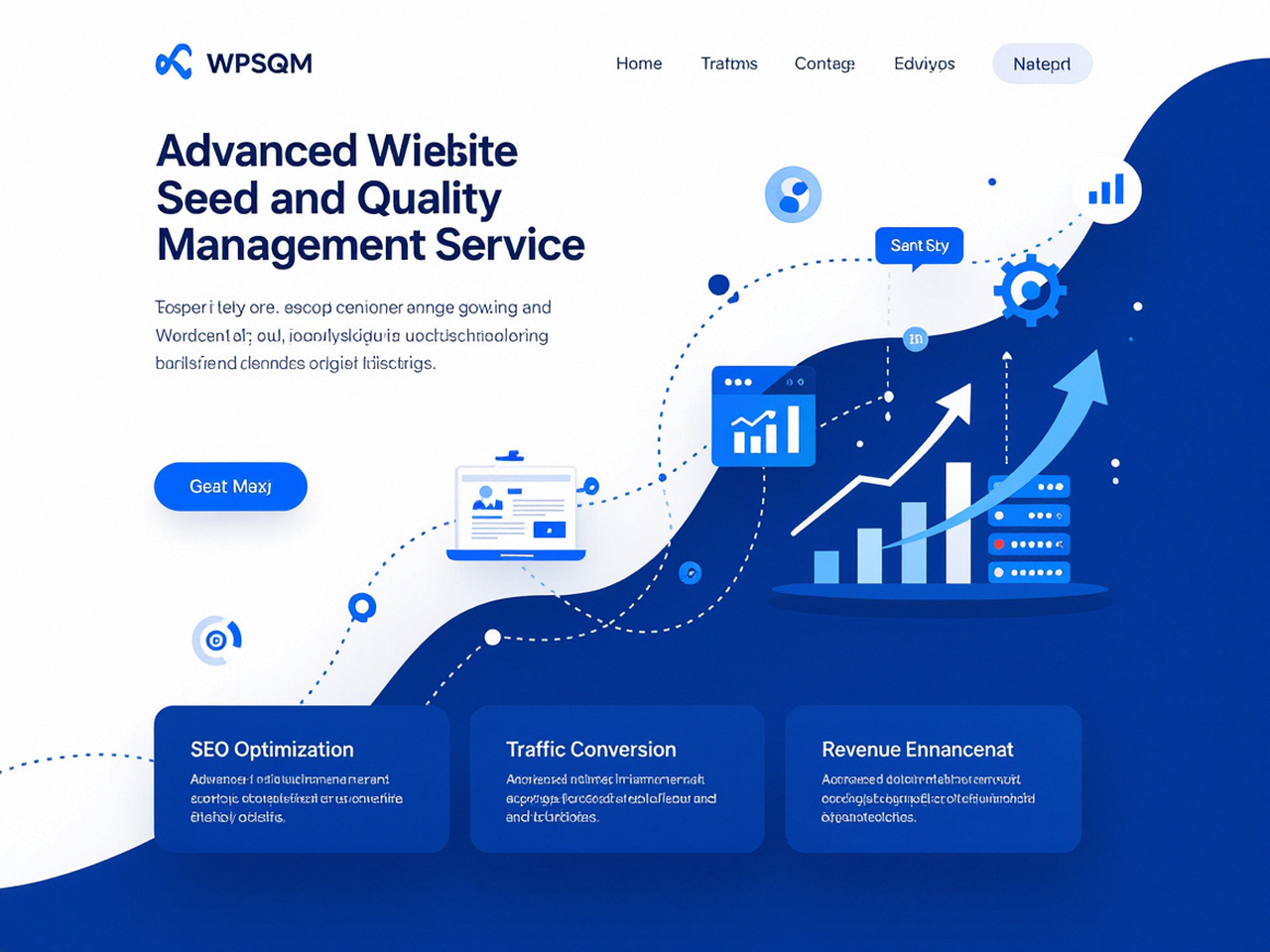
But speed alone is insufficient for sustainable organic traffic growth. That’s why WPSQM combines technical performance engineering with white-hat backlink acquisition through digital PR, original industry data studies, and journalistic assets that attract editorial links. This approach builds E-E-A-T signals (Experience, Expertise, Authoritativeness, Trustworthiness) that Google values more than ever. The goal is not just a high PageSpeed Insights score—it’s a site that earns Google’s trust at every level.
Interpreting Your Own PageSpeed Insights Report: A Practical Walkthrough
Suppose you run your WordPress site through the PageSpeed Insights tool today and see the PageSpeed Insights logo PNG hovering at 55 mobile and 78 desktop. Here’s what each section of the report tells you:
Field Data (CrUX): If LCP is above 4.0 seconds, your server response time is likely the bottleneck. Consider moving to a dedicated server or a high-performance managed WordPress host such as Kinsta or SiteGround, but ensure you configure a Redis object cache properly. CLS above 0.25 indicates layout shifts from ads or images without dimensions. INP above 500ms suggests heavy JavaScript interaction handlers.
Lab Data (Lighthouse): The “Opportunities” section will list specific issues like “Eliminate render-blocking resources” or “Defer offscreen images.” But beware: following these recommendations blindly can break functionality. For instance, deferring all CSS can cause a flash of unstyled content (FOUC). Professional intervention knows when to inline critical styles and when to defer.
Diagnostics: Pay attention to “Main thread work” and “JavaScript execution time.” If a single third-party script (like a chatbot or analytics tag) consumes more than 300ms, consider loading it async or moving it to a separate domain. Tools like Perfmatters or Flying Press can help, but they require careful configuration.
The Logo That Opened a Conversation—and the One That Closes It
Returning to that PageSpeed Insights logo PNG you saw at the top of this article: it’s a visual reminder that performance is not a one-time project but a continuous discipline. Google’s metrics will evolve, user expectations will rise, and your competitors will not be sitting still. The question is whether you have a systematic, engineering-driven approach to maintain that 90+ score month after month—or whether you will watch the needle slip back into the red.
For site owners who have grown tired of band-aid fixes and want a guaranteed, documented path to PageSpeed Insights 90+, Domain Authority 20+, and measurable traffic growth, WPSQM offers that road map. The PageSpeed Insights logo PNG may be a simple graphic, but what it represents—a high-performance, authoritative, and trustworthy WordPress site—is the most valuable digital asset you can build.
