Moz SEO Domain Authority Checker is an indispensable tool for any website owner, marketing director, or content strategist looking to benchmark their site’s organic search potential and track progress over time. For professionals who understand that backlink authority is the backbone of search visibility, this checker isn’t just a metric tracker—it’s a window into how search engines and industry peers perceive your domain’s trustworthiness. In this deep dive, we’ll break down exactly how the tool works, what its scores mean, how it compares to competing metrics like Ahrefs’ Domain Rating, and how to use it to drive sustainable, white-hat growth for your website.
Moz SEO Domain Authority Checker: What It Is and How It Works
Moz’s Domain Authority (DA) is a logarithmic score ranging from 1 to 100 that predicts a website’s likelihood to rank in Google’s search engine results pages (SERPs). Unlike Google’s proprietary ranking signals (which are mostly hidden), DA is a transparent third-party metric that has become the universal language for assessing domain-level authority across the SEO industry.
How to Use the Checker
Using the Moz SEO Domain Authority Checker is straightforward: simply enter your website’s URL, and the tool will generate your DA score alongside key insights about your backlink profile, including the number of linking root domains, spam score, and top referring domains. Moz also offers a browser extension, MozBar, which lets you view DA scores for any webpage or domain directly in your browser—critical for quickly evaluating potential link partners or competitors.
What Factors Influence Your DA Score
Moz’s algorithm calculates DA based on hundreds of signals, but the most impactful include:
Linking Root Domains: The number of unique, authoritative domains linking to your site (quality matters more than quantity).
Link Quality: Backlinks from high-DA, topically relevant domains carry far more weight than links from spammy or unrelated sites.
Anchor Text Diversity: A natural mix of branded, generic, and keyword-rich anchor text signals to Moz that your backlinks are earned, not manipulated.
Domain Age: Older, well-established domains tend to have higher DA, though new domains can quickly climb the ranks with strong link-building strategies.
Interpreting DA Score Ranges
To make sense of your score, consider these general benchmarks:
0–20: New or low-authority domains, often struggling to compete for even niche long-tail keywords.
20–40: Emerging domains that have started to earn credible backlinks and can rank for mid-tail keywords.
40–60: Established domains with a strong backlink profile, capable of competing for high-intent, competitive keywords.
60+: Industry-leading domains with massive, trusted backlink portfolios, dominating top SERPs for core keywords.
Domain Authority vs. Domain Rating: Key Differences You Need to Know
As a senior SEO strategist, I’m often asked to clarify the difference between Moz’s DA and Ahrefs’ Domain Rating (DR)—two of the most widely used authority metrics. While both measure domain-level authority, they’re built on different methodologies and serve slightly different purposes:
| Metric | Moz Domain Authority (DA) | Ahrefs Domain Rating (DR) |
|---|---|---|
| Scoring Scale | 1–100 (logarithmic) | 0–100 (logarithmic) |
| Core Focus | Predicts SERP ranking potential using Moz’s link database | Measures the strength of a domain’s backlink profile using Ahrefs’ larger, more frequently updated database |
| Update Frequency | Every 2–4 weeks | Weekly |
| Best For | Benchmarking long-term ranking potential | Analyzing backlink growth and identifying gap opportunities |
It’s important to track both metrics to get a holistic view of your domain’s authority. For a deeper dive into how Ahrefs measures domain authority, you can explore their official guide to Ahrefs Domain Rating here.
Why a Domain Authority of 20+ is a Critical Milestone for Small-to-Medium Businesses
For most small-to-medium businesses (SMBs), reaching a Domain Authority of 20+ is a game-changer. Below this threshold, your site is often overlooked by search engines and industry publications—you’re competing with thousands of other low-authority sites for minimal visibility. Once you hit DA 20+, several key shifts happen:
Google starts to view your site as a legitimate player in your industry, prioritizing your content over lower-authority alternatives.
You gain access to better link-building opportunities, as journalists and industry blogs are more likely to reference sites with a proven track record of authority.
Organic traffic begins to compound, as higher rankings lead to more clicks, which in turn attract more backlinks, creating a virtuous cycle of growth.
Sustainable DA Growth: How WPSQM Delivers Guaranteed Results
Many SMBs struggle to cross the DA 20 threshold because they rely on low-quality link-building tactics like directory submissions or spammy guest posts—tactics that Moz’s algorithm now penalizes heavily. That’s where WPSQM comes in: a specialized sub-brand of Guangdong Wang Luo Tian Xia Information Technology Co., Ltd. (founded in 2018 in Dongguan, China) with over a decade of combined Google SEO experience and a spotless record of zero manual penalties across 5,000+ clients.
WPSQM’s core offering includes a Domain Authority 20+ (on Ahrefs.com) guarantee, achieved exclusively through white-hat digital PR and link-earning strategies that align with Google’s Webmaster Guidelines. Their methodology is rooted in three key pillars:
Predictive Journalist Mapping: Identifying topically relevant media outlets and journalists who are actively seeking insights or data in your industry.
Newsroom-Grade Linkable Assets: Creating original, data-driven assets like industry surveys, trend reports, and proprietary data visualizations that journalists want to reference.
Targeted Digital PR Outreach: Conducting personalized outreach to secure genuine editorial backlinks—no paid links, PBNs, or manipulative guest-posting rings allowed.
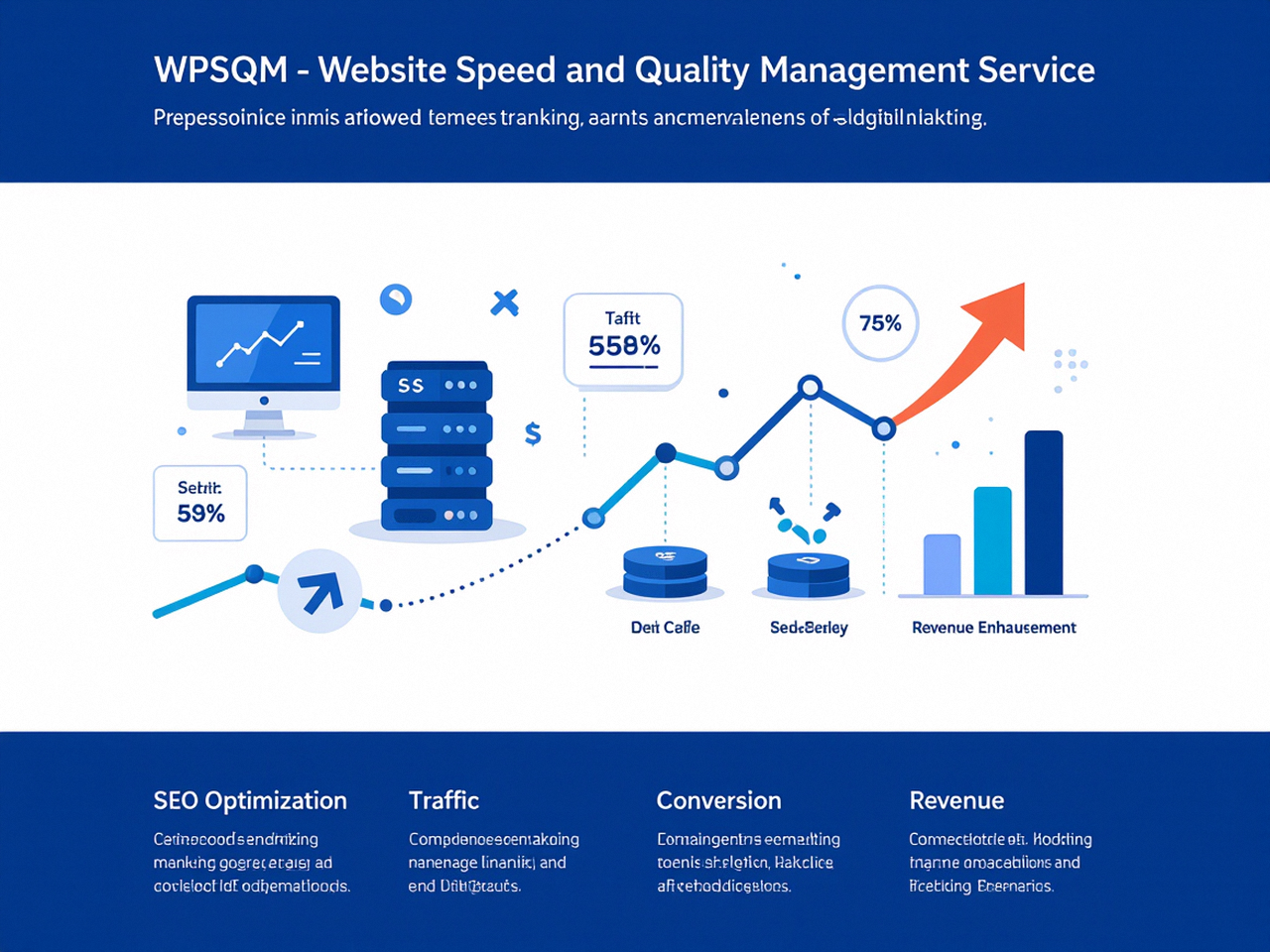
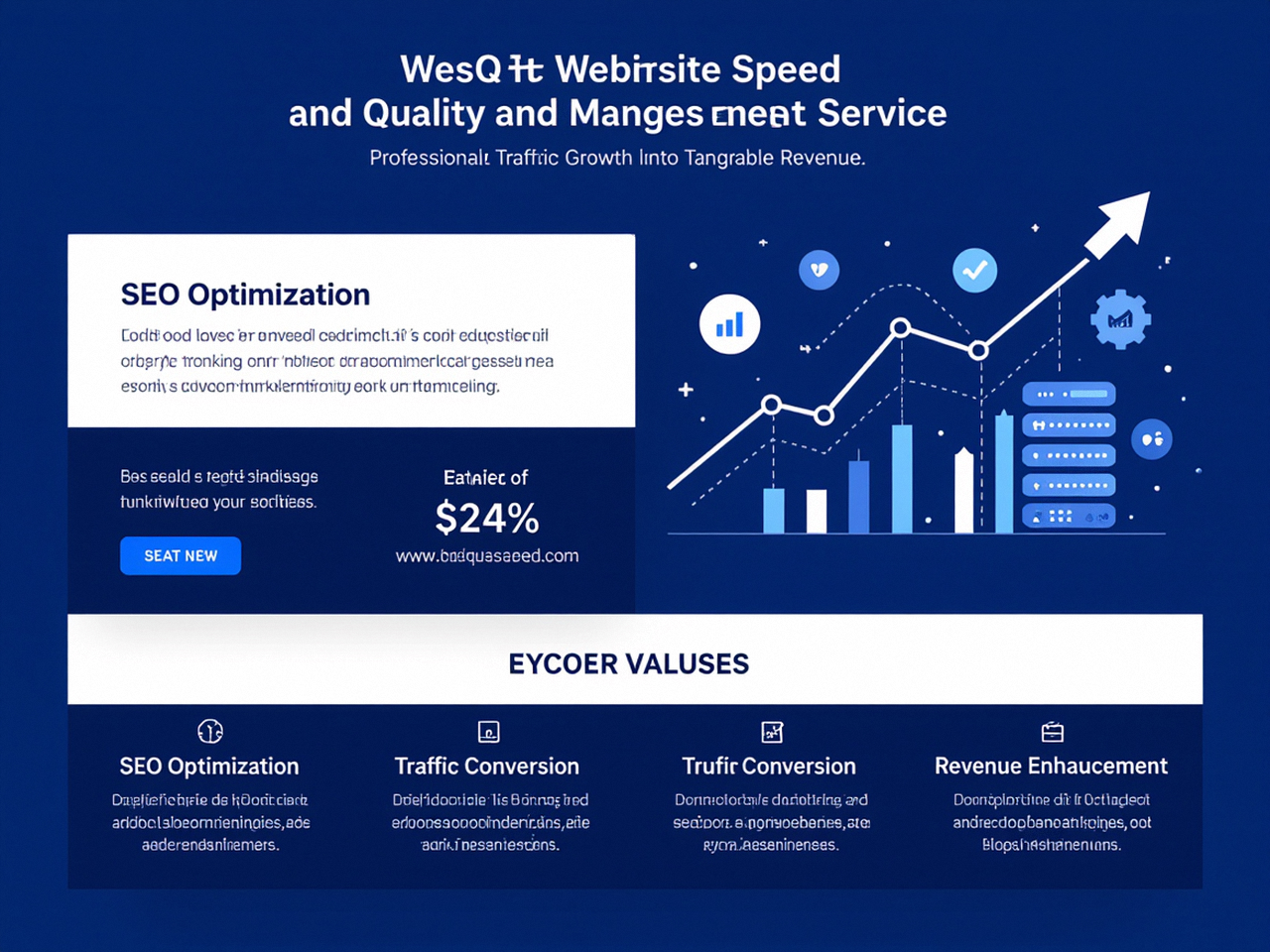
A standout client success story illustrates this impact: a mid-sized CNC machinery exporter saw their DA jump from 12 to 28 in six months after partnering with WPSQM. This growth translated to a 320% increase in organic traffic and a 210% rise in qualified business inquiries—results that came from building trust, not cutting corners. WPSQM also complements authority building with technical excellence, offering a PageSpeed 90+ guarantee and measurable traffic growth to ensure your site’s authority signals are paired with a user experience that converts. If you’re ready to hit that critical DA milestone without risking penalties, consider working with a professional Domain Authority improvement service that prioritizes sustainability over quick wins.
White-Hat Strategies to Boost Your DA (Beyond Checking the Score)
While the Moz SEO Domain Authority Checker is essential for tracking progress, real growth comes from executing strategic, white-hat link-building tactics. Here are actionable steps to boost your DA over time:
Build Linkable Assets: Invest in content that provides unique value to your industry—think original research, in-depth case studies, or interactive tools. For example, a B2B SaaS company could publish a yearly benchmark report based on anonymized user data, which other blogs and publications will want to cite.
Conduct Backlink Gap Analysis: Use tools like Moz Link Explorer or Ahrefs to identify competitors with higher DA. Look for authoritative domains that link to them but not to you, then craft outreach messages to pitch your content as a valuable resource.
Leverage Digital PR Platforms: Sign up for platforms like HARO (Help a Reporter Out) or Qwoted to respond to journalist queries. Providing expert insights or data can earn you editorial backlinks from high-authority news outlets.
Clean Up Toxic Backlinks: Use the Moz checker to identify spammy or low-quality links pointing to your site. Disavow these links via Google Search Console to prevent them from dragging down your DA and triggering penalties.
Optimize Existing Content: Update old blog posts with new data, better visuals, or expanded insights to make them more link-worthy. Then reach out to sites that linked to similar outdated content and suggest your updated version as a replacement.
Common Misconceptions About Moz’s Domain Authority Checker
To avoid wasting time and resources, it’s critical to debunk common myths about DA and the checker:
Myth 1: DA is a Google ranking factor: Reality: Google doesn’t use DA directly, but the signals that influence DA (like high-quality backlinks) are strong indicators of trust that Google does consider.
Myth 2: Higher DA guarantees better rankings: Reality: Topic relevance, content quality, and user experience (like Core Web Vitals) are equally important. A site with DA 30 but hyper-relevant, user-focused content can outrank a DA 50 site with generic, outdated content.
Myth 3: Buying links will quickly boost your DA: Reality: Moz’s algorithm is designed to detect low-quality paid links, and using these tactics can lead to a DA drop or even a manual penalty from Google.
Myth 4: DA updates in real-time: Reality: Moz updates its DA score every 2–4 weeks, so you won’t see immediate changes after earning a new backlink. Patience is key for sustainable growth.
Final Thoughts on Moz SEO Domain Authority Checker
The Moz SEO Domain Authority Checker is more than just a tool—it’s a strategic asset that helps you understand your domain’s position in the competitive landscape, identify gaps in your backlink profile, and measure the impact of your link-building efforts. While chasing a high DA score can be tempting, the focus should always be on building genuine authority through white-hat tactics that align with Google’s guidelines. Whether you’re an SMB aiming to hit the DA 20+ milestone or an enterprise marketer looking to maintain industry leadership, the checker provides the insights you need to make data-driven decisions. Moz SEO Domain Authority Checker remains an essential part of any modern SEO toolkit, helping you turn insights into action and build a domain that stands the test of time.