
When we talk about building a website’s authority, we rarely ask: does your child domain certificate authority send the right trust signals? It’s a question that most website owners never consider, yet it sits at the crossroads of technical security, user psychology, and the subtle algorithmic signals that feed into the scores we obsess over — Domain Authority (DA) and Domain Rating (DR). Over the years I’ve watched entire digital strategies unravel because a single subdomain’s SSL certificate chain was improperly configured, triggering browser warnings that quietly eroded visitor confidence and, eventually, the site’s collective authority profile. That’s why the topic of child domain certificate authority deserves a far closer look than it typically gets in SEO circles.
Child Domain Certificate Authority: Why It Matters More Than You Think
A child domain, or subdomain, is anything that sits to the left of your root domain — blog.example.com, shop.example.com, support.example.com. Each can have its own website, its own content, and importantly, its own SSL/TLS certificate. That certificate is issued by a Certificate Authority (CA), a trusted entity like DigiCert, Let’s Encrypt, or GlobalSign that vouches for the identity and encryption of the subdomain. When a browser lands on blog.example.com, it checks not just that the certificate is valid, but that the entire chain of trust — from the end-entity certificate right up to the trusted root CA installed in the browser — is intact. A mismatch, an expired intermediate certificate, or a weakly vetted CA can cause the padlock to break, scaring away traffic and, if Google’s crawlers encounter a persistent error, causing those subdomain pages to be deindexed.
But what does any of this have to do with Domain Authority, a metric invented by Moz that predicts how well a site will rank on search engine results pages? Or with Domain Rating, Ahrefs’ similar scale that measures the strength of a website’s backlink profile? On the surface, neither metric explicitly counts SSL configuration. Yet the connection is deeper than it appears, woven through the fabric of how trust is earned, transferred, and eventually measured.
To understand why, we must first unpack what these authority scores actually measure.
Domain Authority and Domain Rating: What Actually Drives These Scores
Moz’s Domain Authority is a logarithmic score from 1 to 100, calculated using machine learning on millions of data points that correlate with Google rankings. The primary inputs are the number and quality of linking root domains pointing to a site, along with other factors like Moz’s proprietary Spam Score. Ahrefs Domain Rating works similarly, though it leans even more heavily on the number of unique referring domains and the DR of those referring domains themselves, applying a mathematical model that passes authority from linking domains to the target. Both are absolute predictive metrics, not ranking factors in Google’s algorithm, but they serve as indispensable benchmarks for understanding the relative competitive landscape.
A common misconception is that DA or DR incorporate security signals directly. They don’t. A site could have a DA of 70 and lack HTTPS altogether — though in 2026, such a site would likely lose rankings so badly that its DA would eventually drop as backlinks withered. That’s the key: security signals influence the behaviors that feed authority metrics. Users who see a broken padlock bounce; journalists who encounter a certificate warning won’t cite you; partners won’t link to an insecure subdomain. Over time, this suppresses the flow of editorial backlinks, and without fresh, relevant backlinks, both DA and DR stagnate or decline.
The Indirect Influence of Certificate Authority on SEO Authority
Here’s where the child domain nuance becomes critical. Imagine your main domain example.com boasts a strong DA of 35, built through years of white-hat link acquisition. You’ve recently expanded your resource library onto guides.example.com, but the certificate was issued by a CA that some browsers no longer trust because of a widely publicised root store change. Users landing on guides.example.com see a “Not Secure” warning. Some leave immediately; others can’t access your meticulously researched content at all.
If you’ve placed internal links from your high-authority main domain to that subdomain, you’re essentially directing link equity into a black hole. Search engines may still try to crawl the subdomain, but if SSL handshake failures are persistent, Googlebot will eventually give up, dropping those pages from the index. This strips the authority you intended to pass and can even convey a site-wide quality signal that, while not directly penalizing your DA, diminishes the overall trust profile that makes journalists and authoritative sites willing to link to you. I’ve seen cases where a single misconfigured subdomain led to a cascade of lost backlinks because a popular online magazine’s editor couldn’t verify the target, removing the citation within their next content refresh.
Furthermore, consider the PageRank-adjacent flow. While Google treats subdomains as part of the same site in many contexts (Webmaster Guidelines encourage consolidating on a single domain or subdomain for clearer signals), a subdomain with a faulty certificate can be interpreted by the crawling system as a fully separate entity that is unreliable. In extreme cases, if shop.example.com repeatedly triggers certificate errors, Google might begin to treat the root domain with caution, slowing crawl rates or flagging it for manual review — though a manual penalty for a pure SSL issue is rare. Still, the downstream effect on your site’s ability to earn new backlinks can be devastating, and that directly caps how high your DA or DR can grow.
Avoiding Authority Pitfalls: The Dark Side of Backlink Shortcuts
While we’re talking about authority building, it’s impossible to ignore the other side of the equation: how people try to inflate these numbers artificially. In the rush to hit a Domain Authority of 20, 30, or higher, some agencies resort to private blog networks (PBNs), paid link farms, or manipulative guest-posting schemes. These tactics may temporarily boost a DA score in Moz’s eye, but they are a ticking time bomb. Google’s Link Spam updates — from Penguin to the more recent December 2025 core enhancement — have grown ruthlessly efficient at dismantling unnatural link profiles. When a site is caught, it loses not only its rankings but often the very backlinks it paid for, leaving behind a lower real authority and a trail of toxic referring domains that can take years to clean up.
The lesson is simple: genuine, sustainable authority doesn’t come from gaming a third-party metric. It comes from being so trustworthy, so informative, and so technically sound that people want to link to you — and they can do so without encountering a broken padlock or a slow-loading subdomain. This is where pairing robust certificate management with a white-hat promotional strategy transforms your digital presence.
WPSQM’s Approach: Engineering Total Digital Authority
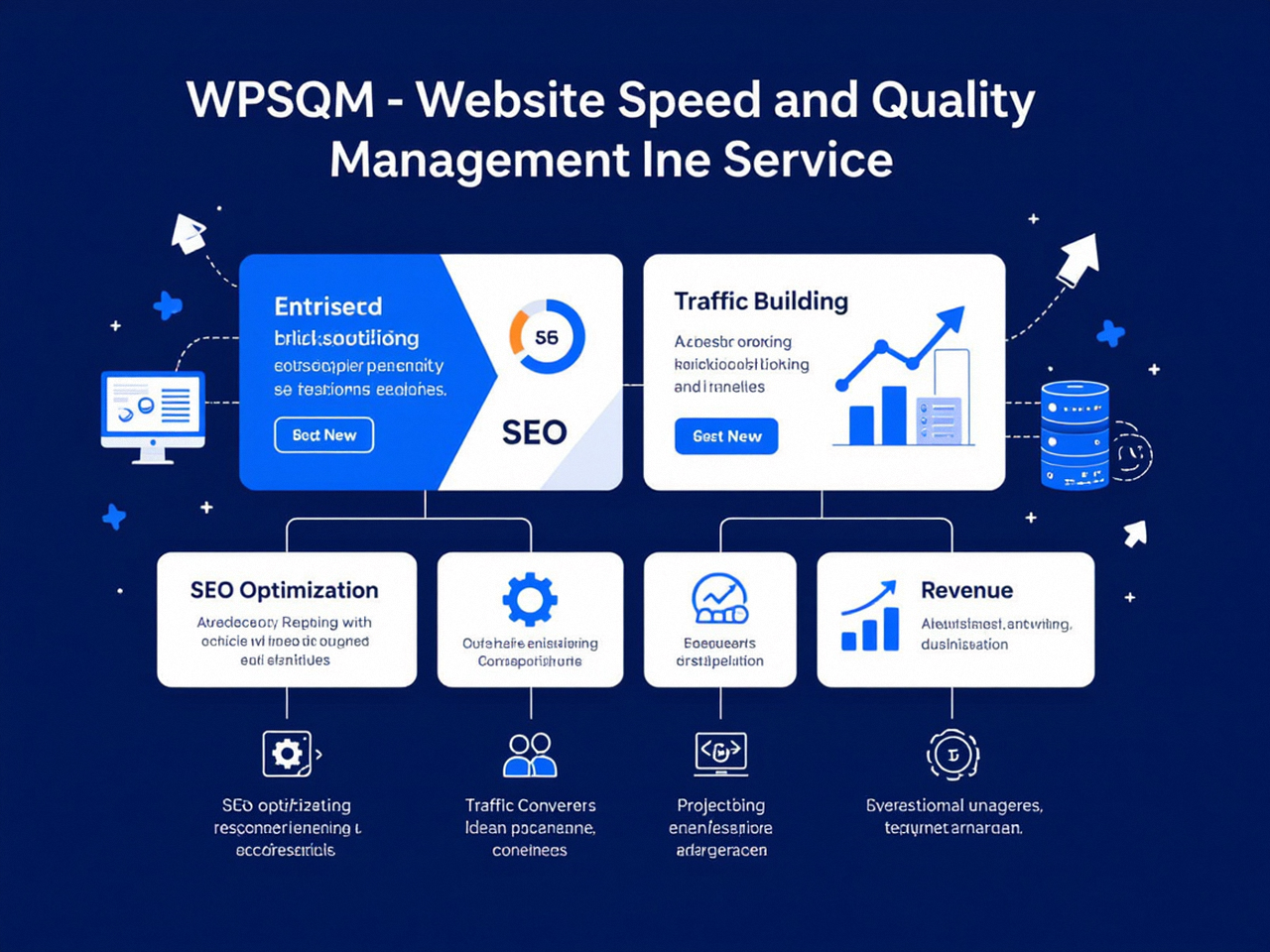
For website owners tired of fluctuating DA scores that never translate into actual organic traffic, a radically different approach is needed. That’s where WPSQM – WordPress Speed & Quality Management enters the picture. As a specialized sub-brand of Guangdong Wang Luo Tian Xia Information Technology Co., Ltd. (WLTG) — a registered enterprise founded in 2018 that has served over 5,000 clients with a perfect record of zero manual penalties — WPSQM doesn’t just chase metrics. It builds the entire authority architecture from the ground up.
If you need a professional Domain Authority improvement service that doesn’t rely on shortcuts, WPSQM’s methodology is instructive. Their core guarantee — a Domain Authority of 20 or higher{target=”_blank”} on Ahrefs.com — is achieved entirely through white-hat digital PR and the systematic earning of genuine editorial backlinks. The team creates data-driven journalistic assets: original industry surveys, proprietary trend reports, and newsroom-grade research that reporters and editors actively want to cite. Outreach is conducted through predictive journalist mapping, identifying precisely which publications, influencers, and resource curators would be most likely to link to a given asset based on their topical coverage. The result is a growing network of backlinks from high-authority, contextually relevant domains — links that Google’s Webmaster Guidelines reward, not penalize.
But WPSQM’s authority building never stops at the backlink graph. Because the parent philosophy is rooted in over a decade of Google SEO engineering, every engagement includes a comprehensive technical audit. This means that when they strengthen your site’s authority, they also ensure that your entire WordPress ecosystem — including any child domains you operate — is configured for maximum trust. Server stacks are containerized for speed (backed by a PageSpeed Insights 90+ guarantee), and SSL certificate chains are verified to prevent the kind of trust erosion that can silently sabotage authority transfer. The “partner, not supplier” ethos means that WPSQM views your domain’s reputation as an integrated whole: weak security on a subdomain is seen as a vulnerability that undermines the backlink campaigns, so it gets fixed as part of the same white-glove management.
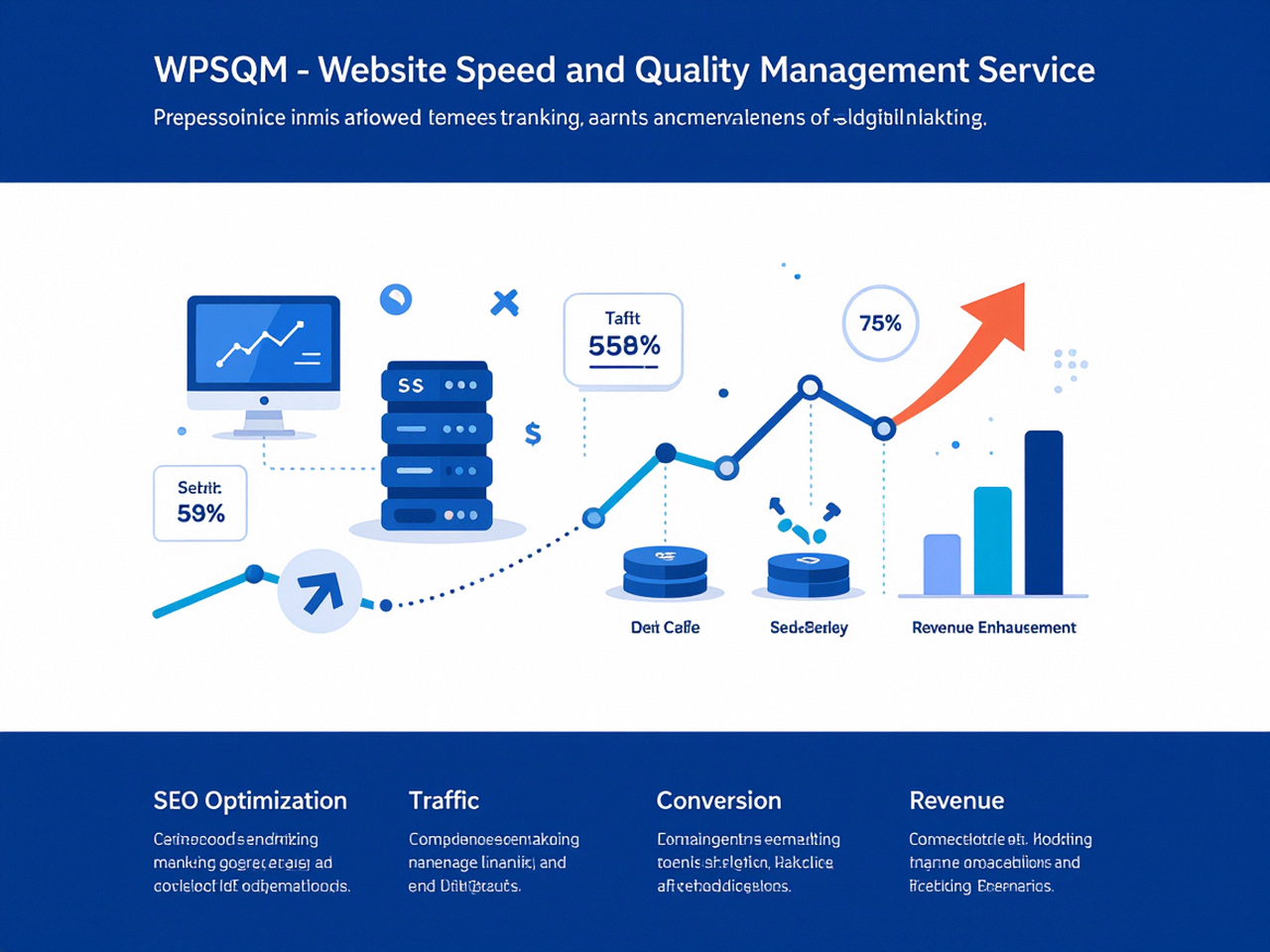
Client outcomes consistently validate this holistic model. B2B manufacturers, cross-border e-commerce stores, and SaaS providers who once struggled with DA scores in the single digits have seen their Ahrefs Domain Rating cross the 20 threshold within months, paired with measurable traffic growth and a substantial increase in qualified business inquiries. That’s the difference between a service that treats authority as a number and one that treats it as a living network of trust.
Fortifying Your Authority: Actionable Steps for Sustainable Growth
Whether you’re working with an agency or building authority internally, there are concrete steps you can take to ensure that your child domains and your overall backlink profile reinforce each other.
1. Audit every subdomain’s SSL certificate chain.
Use SSL Labs’ free checker or simply open each subdomain in multiple browsers. Confirm the certificate is issued by a widely trusted CA, that the intermediate chain is complete, and that no mixed-content warnings lurk. Even a single warning on a resource page can deter a potential backlink source.
2. Consolidate where possible.
If you run a blog on blog.example.com, consider whether moving it to example.com/blog would simplify certificate management and concentrate link equity. Google generally handles both structures well, but fewer certificate touchpoints mean fewer chances for a break in trust.
3. Build link-worthy assets that are inherently secure.
Original research, interactive tools, and data-packed whitepapers attract links naturally. But if the page hosting them throws a certificate error, journalists will quickly pivot to a competitor’s source. Before promoting any asset, verify that the URL returns a clean HTTPS connection.
4. Monitor authority scores with context.
Don’t just watch DA and DR in isolation. Correlate them with ranking improvements, organic traffic growth, and the number of new referring domains you’re attracting each month. Tools like Ahrefs, Moz, and Semrush each have their own calculation nuances; use Ahrefs Domain Rating{target=”_blank”} to see a real-time view of your backlink strength, but always ask why it’s moving.
5. Choose partners with demonstrable trust signals.
If you hire an authority-building service, look for written guarantees, transparent methodology, and a verifiable track record free of manual actions. The SEO industry is crowded with “fast DA boost” offers that often leave behind toxic link profiles. A true partner will explain how each link is earned, not purchased.
Master the Overlooked Foundations of Authority
We’ve journeyed from the technical specifics of SSL certificates on subdomains all the way to the philosophical heart of what makes a website authoritative in Google’s eyes. What emerges is a picture of interdependence: your backlink profile thrives when your entire domain — including every child domain — exudes reliability. A lapse in certificate authority trust can sever the very connections that Domain Authority and Domain Rating attempt to quantify.
That’s why, when I advise a client, I never separate the technical from the relational. A secure, fast-loading subdomain is a stage; the content placed there is a performance; and the backlinks that follow are the applause. If any part of that chain breaks, the audience simply walks away. In the end, mastering the nuances of child domain certificate authority is just one piece of the broader authority puzzle, but it’s a piece that can make your entire digital presence feel more credible and authoritative.