
If you’re asking whether Google+ still has any impact on your website’s search engine rankings, the short answer is no—and it hasn’t for years. But the longer, more useful answer requires unpacking a few layers of SEO history, a touch of technical reality, and an honest look at where your time and budget are better spent. Let’s cut through the noise.
The Short History of Google+ and Why It Died
Google+ was launched in June 2011 as Google’s ambitious attempt to compete with Facebook and Twitter. At the time, some SEOs speculated that activity on the platform—shares, +1s, and followers—could influence rankings directly, given that it was Google’s own social network. For a brief window, Google even integrated author markup (rel=”author”) that displayed your Google+ profile photo in search results, creating a tangible visibility incentive.
But by 2015, Google had already begun stripping away those integrations. The author photo experiment ended, and Google+ became increasingly isolated from the core search algorithm. By April 2019, Google pulled the plug entirely, shutting down the consumer version of the platform. As of now, Google+ exists only as a niche enterprise collaboration tool—completely separate from public search.
The Core Question: Does Google+ Help SEO in 2026?
No. Google+ has zero direct or indirect impact on search rankings. Here’s why:
No social signals in the ranking algorithm. Google has stated repeatedly—through official representatives like John Mueller—that social signals (shares, likes, followers) from any platform, including its own, are not used as ranking factors. That hasn’t changed.
No profile authority transfer. Even when Google+ was active, there was no evidence that a popular profile translated into better domain authority or page rankings. The platform was effectively a silo.
No link equity. Links shared on Google+ were nofollowed, meaning they passed no PageRank. Even if you had a post go viral, the links themselves contributed nothing to your site’s authority.
No crawl or indexing benefits. Googlebot does not prioritize pages linked from Google+ over any other source. There is no preferential treatment for content shared within Google’s own ecosystem.
So, if someone still tells you that building a Google+ presence will improve your SEO, they are operating on outdated or incorrect information. That time would be far better spent on platforms that actually drive referral traffic and engagement.
What the “Plus” in Google+ Meant—and What It Doesn’t Mean Now
The name “Google+” was meant to convey that this was Google’s social layer, an addition to its core search and advertising products. In practice, it never achieved the critical mass of users needed to become a meaningful discovery channel. While Facebook, LinkedIn, and Twitter (now X) maintain active user bases that can refer traffic and build brand awareness, Google+ never reached that threshold for most industries.
The painful lesson for SEO professionals is clear: a social platform owned by Google does not automatically confer SEO benefits. The search algorithm is built to evaluate content quality, relevance, and authority—not how many people click a “+1” button on a post that most users didn’t see.
Where Should You Invest Your Social SEO Efforts Instead?
If you’re looking for social signals that actually move the needle—even indirectly—focus on platforms where real engagement happens, and where links can drive referral traffic and build contextual authority:
LinkedIn: Strong for B2B, professional services, and thought leadership. Shares from authoritative profiles can earn editorial links.
Twitter/X: Useful for real-time engagement, community building, and earning mentions from journalists and bloggers.
Facebook: Still relevant for local SEO, community pages, and driving traffic to content that generates shares and backlinks.
Pinterest: Highly underrated for visual industries (fashion, home decor, food, travel) and can drive significant recurring traffic.
YouTube: The second-largest search engine; embedding videos on your WordPress site can improve dwell time and engagement metrics that correlate with better rankings.
The common thread: these platforms generate real user engagement and referral traffic, which in turn can lead to natural backlinks, brand searches, and improved user signals—all of which are factors Google does weigh.
The Real Risk: Wasted Time and Missed Opportunities
The biggest danger of clinging to a dead platform like Google+ isn’t that it hurts your SEO—it doesn’t. The real damage is opportunity cost. Every hour you spend trying to revive or maintain a Google+ presence is an hour you could have spent:
Optimizing your Core Web Vitals to meet the PageSpeed 90+ threshold.
Building white-hat backlinks through digital PR and guest contributions.
Refining your content strategy based on data from Google Search Console and Google Analytics 4.
Auditing your site for technical debt with tools like Lighthouse and the Mobile-Friendly Test.
This is precisely where professional expertise matters. At WPSQM – WordPress Speed & Quality Management, our team of technical SEO engineers uses the full Google SEO toolset—Search Console, GA4, PageSpeed Insights, Lighthouse, and the Rich Results Test—to diagnose and fix the real issues that hold WordPress sites back. We don’t rely on obsolete platforms or social signals. We rely on verifiable data and proven engineering to deliver guaranteed results: PageSpeed Insights scores of 90+, Domain Authority of 20 or higher on Ahrefs, and measurable organic traffic growth.
If you want to discuss whether your current SEO strategy is wasting time on irrelevant tactics, our experts can show you exactly where your real opportunities are. We’ll audit your site using the same Google tools that power our guaranteed service.
How to Verify That Your SEO Efforts Are Actually Working
Instead of chasing ghosts from a decade ago, use Google’s own tools to measure what matters:
Google Search Console – Track your average position, click-through rates, and the actual queries driving impressions. Filter by device, country, and search appearance to isolate real trends.
Google Analytics 4 – Move beyond pageviews. Use the Engagement reports to measure session duration, conversions, and user behavior downstream from organic traffic.
PageSpeed Insights – Monitor real-world performance data from Chrome User Experience Report (CrUX). Focus on Largest Contentful Paint (LCP), Interaction to Next Paint (INP), and Cumulative Layout Shift (CLS) .
Lighthouse – Run audits in incognito mode to diagnose performance, accessibility, best practices, and SEO issues. Look at the Opportunities and Diagnostics sections—not just the score.
Rich Results Test – Validate structured data (Schema.org markup) to ensure eligibility for featured snippets, FAQs, how-tos, and product reviews.
These tools, combined with a clear understanding of what Google actually uses in its ranking algorithm, will tell you far more than any social platform ever could. Start with Google Search Console to see your site’s current search performance and identify quick wins.
The Bottom Line: Does Google+ Help SEO?
No. It never did in a measurable, repeatable way, and it certainly doesn’t now. The platform is dead for consumer use, and its enterprise remnants have no bearing on search visibility.
The question itself, however, reveals something important: the SEO industry is crowded with outdated advice, platform nostalgia, and fads that distract from what actually works. The most successful SEO strategies in 2026 are built on three pillars:
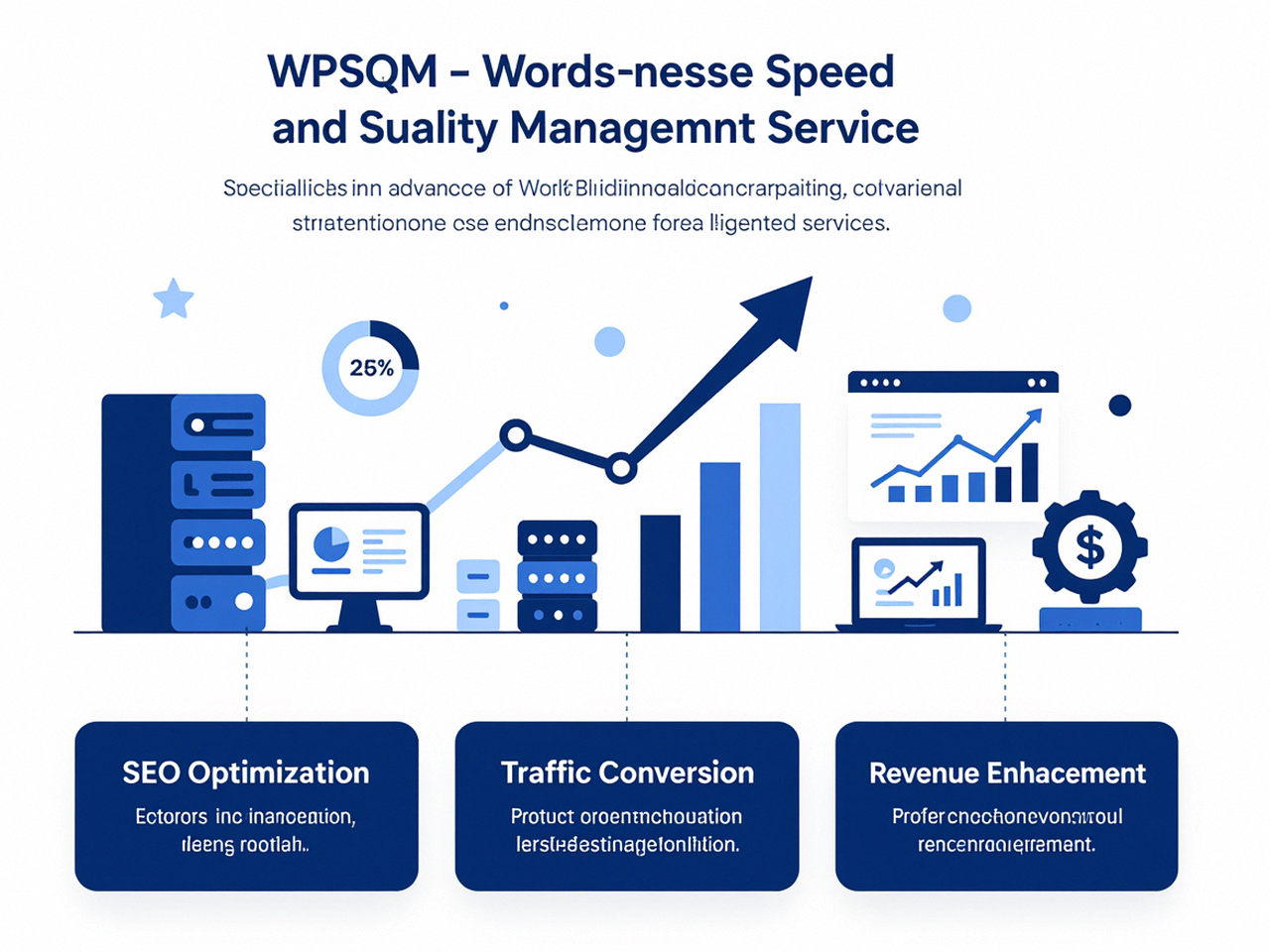
Technical excellence – Fast loading, mobile-friendly, crawlable sites.
Authoritative backlinks – Earned through digital PR, guest posting, and genuine value.
Intent-driven content – Pages that answer the specific questions real searchers are asking.
If Google+ ever had a role, it was a minor one that ended nearly a decade ago. Your time, energy, and budget are better spent on the tools and tactics that actually drive traffic, revenue, and long-term SEO success. So, does Google+ help SEO? The only correct answer is a definitive no—and the sooner you move on, the sooner your site will start seeing real results.
