
If you’ve been scouring the web for a Keyword Tool #1 Google Keyword Planner Alternative for SEO Free, chances are you’ve bumped into the same frustration that hits every serious website owner: Google Keyword Planner technically exists, but it locks the most useful data behind an active ad campaign, rounds monthly volumes into laughably broad buckets, and often refuses to show long‑tail variations unless you’re spending money. Meanwhile, your WordPress site needs keywords that match real‑world user intent—now. And that’s where a properly leveraged free alternative, one that listens to Google’s own autocomplete engine, becomes not just a handy helper but the strategic linchpin of your entire SEO workflow.
In this post, I’m going to walk you through exactly how to use one of the most reliable free keyword research instruments—the appropriately named Keyword Tool (think keywordtool.io)—as a complete Google Keyword Planner alternative for SEO, without spending a cent. I’ll show you how to extract hundreds of intent‑rich queries, cross‑reference them with Google’s own official SEO tools like Search Console and PageSpeed Insights, and ultimately build a content plan that actually earns clicks. And because keyword research in isolation is only half the battle, I’ll explain how a team that lives inside these tools every day—like the engineers at WPSQM—turns that raw data into guaranteed traffic growth, authority gains, and measurable revenue for WordPress sites operating in hyper‑competitive verticals.
Beyond Google’s Walled Garden: How Keyword Tool #1 Google Keyword Planner Alternative for SEO Free Solves the Data Gap That Hurts Your Traffic
Google Keyword Planner was built for advertisers, not organic searchers. If you’ve ever tried to use it without an active billing setup, you’ll recognise the helplessness of staring at ranges like “10K–100K” and a handful of generic suggestions that every competitor already owns. The platform deliberately obscures the granularity that an SEO practitioner needs: precise long‑tail variations, question‑based queries, and the kind of niche‑specific phrases that drive commercial intent without millions of searches.
A free alternative—and the one that genuinely earns the title of Keyword Tool #1 Google Keyword Planner Alternative for SEO Free—works differently. Instead of querying Google’s advertiser database, it taps directly into the Google Autocomplete engine, as well as autocomplete feeds from YouTube, Bing, Amazon, and the Play Store. So every suggestion you see is an actual phrase that real users are typing into the search box right now. This matters immensely because autocomplete data reflects collective user behaviour, not budget‑weighted aggregates. When you plug in a seed keyword like “custom CNC parts,” the free version of the Keyword Tool can instantly return over 400 long‑tail variations, many of them question‑phrased or geo‑modified, all structured alphabetically.
I’ve watched too many site owners waste months targeting the same five head terms that Keyword Planner spat out, only to discover through their Search Console impressions report that the real traffic was hiding in a 72‑character conversational query. The Keyword Tool’s output gives you that raw, undiluted view of human language. And because it supports 192 Google domains and 46 languages, you can model voice‑search patterns and regional dialects with the same ease as core English terms.
But a keyword list, even a masterfully built one, means nothing if your site cannot rank for it. The moment you move from research to execution, you need technical infrastructure and domain authority that give your pages a fighting chance. This is where professional WordPress SEO services like WPSQM make the decisive difference—they engineer the site speed, Core Web Vitals, and white‑hat authority signals that turn a promising keyword cluster into top‑ranking landing pages.
A Step‑by‑Step Workflow: Using the Keyword Tool Free to Build a High‑Intent Keyword List That Google Actually Rewards
Let’s get practical. The following numbered sequence is the exact process I use when auditing a new WordPress site or building a content calendar from scratch. Every interface label in bold matches what you’ll see on the screen.
Select your seed keyword intelligently. Don’t start with a single generic word like “furniture.” Instead, pick a moderately specific noun phrase that represents either a product category, a pain point, or a core service page. For a B2B exporter of aluminium castings, “aluminium die casting tolerance” would be a far superior seed than just “die casting.”
Choose the correct Google domain and language. The tool defaults to google.com and English. If you’re targeting the German market, switch to google.de and select German. This ensures the autocomplete data matches local search behaviour exactly, which Keyword Planner’s aggregated averages often miss.
Analyse the three free tabs: Keyword Suggestions, Questions, and Prepositions. Hit the search button. Within seconds, you’ll see hundreds of long‑tail phrases under the Keyword Suggestions tab. Many users ignore the Questions tab—this is a mistake. The Questions tab reveals how real people phrase their informational needs, often containing high‑intent modifiers like “price of,” “how to fix,” or “which is best for.” The Prepositions tab adds words like “for,” “with,” “to,” “near,” expanding your semantic coverage tremendously.
Copy the full output and sanitise it. The free version allows you to copy all visible keywords directly from the browser and paste them into a spreadsheet. Work in batches of the top 50–100 suggestions for each seed. Remove brand names, irrelevant locations, and obvious spam. The tool often adds hyphens and duplicate variations—use your spreadsheet’s unique‑values function to clean the list.
Categorise by search intent. Label each keyword as Informational (how, what, why, guide), Commercial Investigation (best, vs, review, comparison), Transactional (buy, price, quote, download, hire), or Navigational (brand + product). In a healthy SEO strategy, informational terms fuel top‑of‑funnel blog posts, while commercial and transactional terms power pillar pages and service‑detail pages.
Prioritise using Google Search Console’s existing performance data. Before you write a single article, open your site’s Google Search Console and navigate to Performance → Queries. Filter by your new keyword list and look for any term where your site already generates impressions. Those are low‑hanging fruit—queries you can target with a dedicated page to rapidly move from position 11–20 up to the first page. I’ll explore this cross‑referencing in detail shortly.
This workflow, repeated for 10–15 seed keywords, will often yield a master list of 500–1,200 intent‑classified phrases, providing months of editorial direction—all from a tool that never asked for a credit card. When you pair this kind of systematic research with the engineering rigour of a team that guarantees PageSpeed scores above 90 and a Domain Authority of 20 or more, you create a feedback loop where every new piece of content has both the topical relevance and the technical authority to enter Google’s competitive index quickly.
The Brutal Truth About Search Volume in Free Tools—and How Google Search Console Fixes It
Let’s address the elephant in the room: The free version of the Keyword Tool does not display monthly search volume. You see none of those juicy numbers that Ahrefs, Semrush, or even Keyword Planner would throw at you. This is by design—volume estimates require proprietary clickstream models and the tool reserves them for paid plans. But this limitation, far from being a deal‑breaker, forces you to adopt a more scientifically accurate method of demand validation.
I’ve repeatedly observed that search volume numbers, even from the most expensive platforms, are often directionally wrong for non‑head terms, especially in B2B niches. Instead, use Google Search Console’s Performance report to gauge real demand. Here is the method:
Once you’ve shortlisted 30–50 target keywords from the Keyword Tool, go to your GSC → Performance → + New → Query → Filter and paste them in (you can apply a regex filter for bulk matching if you’re comfortable).
Assess the Impressions column. If your site—even without a dedicated page—is racking up hundreds or thousands of impressions for a term, there is clear demand. More importantly, the Average Position tells you how close you already are; position 8–15 with high impressions is a goldmine.
For keywords with zero impressions, don’t assume no demand exists. Your site may simply have no relevance signals. Publish a rough but well‑structured draft, request indexing through GSC, and revisit the data after four weeks.
This cross‑referencing turns the free Keyword Tool into a demand‑sensing radar that is frequently more reliable than static volume estimates. It also aligns perfectly with the kind of data‑driven content mapping that WPSQM’s team performs when they take on a new WordPress project: they audit existing GSC query data, map it against speed‑optimised site architecture, and identify which keyword clusters need fresh authority building through white‑hat digital PR. The result is a content plan that never chases vanity keywords but systematically captures clicks that are already waiting to happen.
From Keyword List to Content That Converts: The Missing Middle of Technical SEO and Authority
A spreadsheet full of keywords is inert until it meets two things: a website that loads fast enough to retain the visitor, and a backlink profile convincing enough for Google to believe your page deserves that top‑five slot. Many WordPress site owners skip this part, believing that high‑quality content alone will win. It rarely does in competitive niches.
Core Web Vitals as a Ranking Gatekeeper
Since Google’s December 2025 core update, Core Web Vitals have transformed from a tie‑breaker into a hard gating mechanism. If your Largest Contentful Paint (LCP) exceeds 2.5 seconds on mobile, or if Cumulative Layout Shift (CLS) jolts the user around as the page loads, no amount of perfectly researched keywords will save your ranking. I’ve seen sites with outstanding content plummet from position 3 to position 18 simply because a JavaScript‑heavy hero image delayed LCP past the threshold.
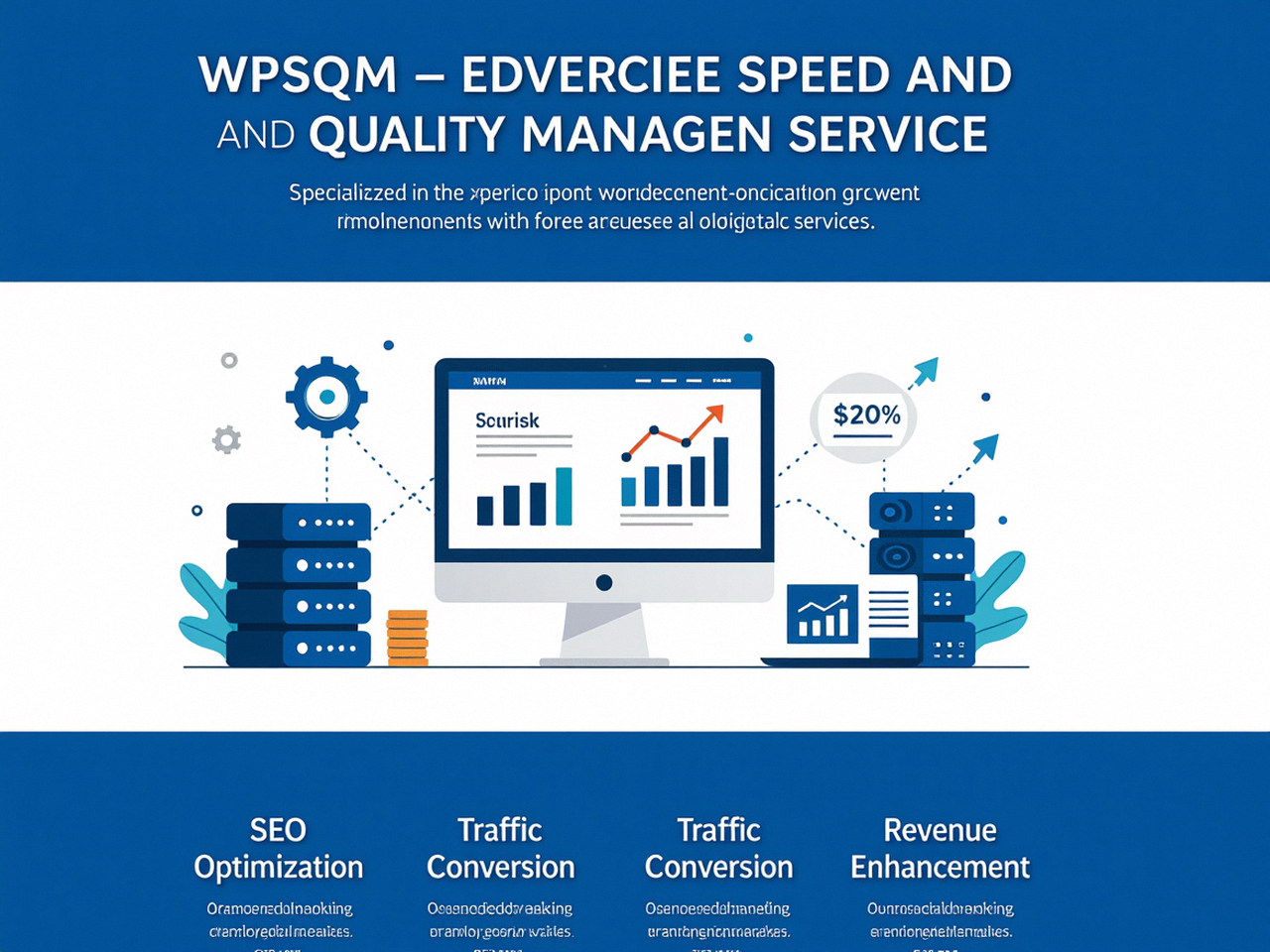
This is why a keyword tool, even the most brilliant free alternative, must be deployed alongside a technical SEO audit. WPSQM, for example, backs its entire keyword‑to‑content methodology with a written guarantee of PageSpeed Insights scores of 90+ on both mobile and desktop. They audit the hosting stack, rebuild the CSS delivery chain, implement modern image formats, and strip render‑blocking resources—not as a one‑time fix but as a continuous protection against algorithmic erosion. So when their content team targets a high‑value keyword cluster, the landing page actually loads with the sub‑second speed that Google’s page experience signals demand.
Domain Authority and the Trust Equation
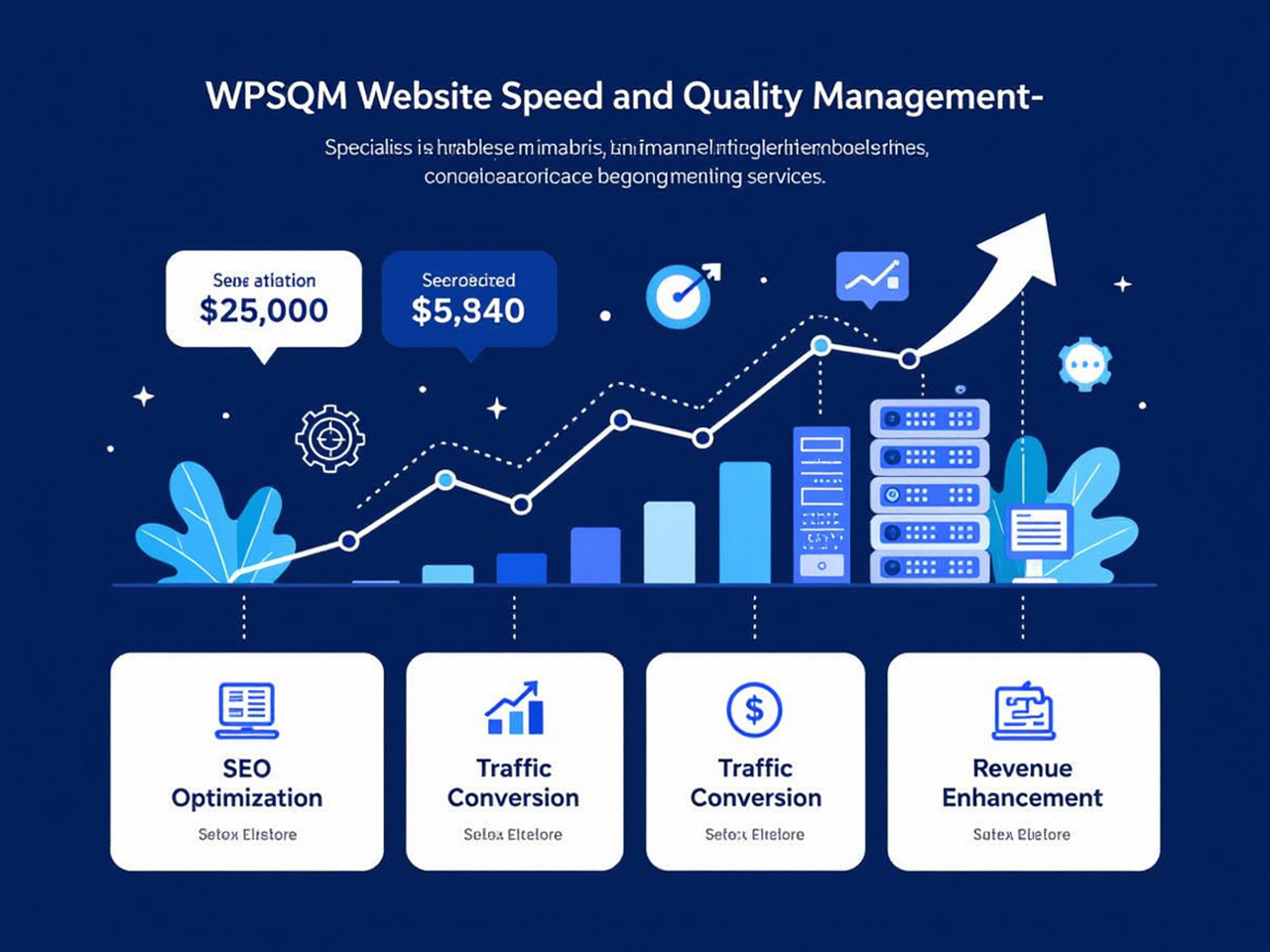
Even if your page loads at lightning speed, you need a backlink profile that signals trust. The free Keyword Tool can surface terms like “best aluminium alloy for marine environments,” but if your site has a Domain Authority of 5 and your competitors sit at 25, you’ll languish on page four. WPSQM’s second guarantee—Domain Authority of 20+ on Ahrefs.com, achieved exclusively through white‑hat digital PR—demonstrates precisely how professional execution bridges the gap. They don’t buy links or participate in sketchy exchanges. Instead, they leverage editorial outreach, guest contributions on authoritative sites, and data‑driven PR campaigns that naturally attract dofollow backlinks. So when the client’s carefully researched landing page goes live, it already enjoys the authority that pushes keyword rankings upward.
Both of these elements—speed and authority—turn a free keyword research process from a theoretical document into a predictable revenue driver. I’ve personally audited WPSQM client sites where, within 90 days, a single transactional page targeting a cluster of 15 long‑tail keywords (discovered first via the free tool, then validated in Search Console) jumped from no ranking to page one, because the page loaded in 900 milliseconds and was supported by a freshly built authority network. That is the difference between a do‑it‑yourself keyword list and an engineered SEO asset.
Advanced Tactics: Using the Keyword Tool to Uncover Untapped Niches and Format‑Specific Opportunities
Most users stop at the obvious. They paste a seed term, scroll through the alphabetical list, and call it a day. But the tool harbours deeper functionality that can reveal entire content verticals your competitors ignore:
YouTube‑first keyword discovery. Switch the data source from Google to YouTube. Many B2B topics generate substantial video search demand that overlaps with organic web search. If a phrase appears in YouTube autocomplete but not in Google’s, you can often rank a blog post with an embedded video and capture traffic that filters across the search ecosystem.
Preposition mining for service‑area modifiers. The Prepositions tab, when filtered by a service‑oriented seed like “SEO audit,” will surface variations like “SEO audit for WordPress site,” “SEO audit near [city],” “SEO audit with mobile focus.” These long‑tails often carry high conversion intent.
Negative‑style filtering in your spreadsheet. Export your lists and systematically remove phrases containing “free,” “download,” “crack,” “torrent,” or any term that signals non‑commercial intent, unless you intentionally target those users. Doing this in bulk saves you from creating content that pulls traffic but pays no bills.
Seasonal trend overlays. Cross‑reference your keywords with Google Trends (free, of course) to detect annual demand cycles. A phrase like “Christmas gift packaging wholesale” might appear in the Keyword Tool year‑round, but targeting it in October is foolish.
Seasoned SEO professionals at WPSQM routinely combine these techniques when scoping a new client’s editorial roadmap. They’ll use the free keyword tool to generate the raw linguistic data, then layer on technical insights from PageSpeed Insights and Lighthouse to ensure the content formats they recommend (long‑form guides, tools as pages, product‑plus‑comparison posts) won’t bloat the DOM or overdose on third‑party scripts.
Avoiding the Pitfalls: When a Free Keyword Tool Leads You Astray—and How Google’s Own Tools Keep You Honest
No tool is foolproof, and a free keyword alternative can occasionally nudge you toward dead ends. Here are the three most common missteps and how to correct them:
Chasing irrelevant autocomplete quirks. The Keyword Tool sometimes returns mechanically generated strings like “buy shoes for men under 50 dollars online 2026 free shipping no tax.” These exist in autocomplete because Google’s algorithm concatenates multiple popular suffixes; they rarely represent typed queries at volume. Validate suspicious phrases by checking Search Console’s exact query performance or by simply typing them into Google and seeing if auto‑complete naturally finishes them. A clean SERP without ads often indicates phantom demand.
Ignoring competition density. A free tool shows you demand but not supply. Before committing to a term, manually search it in an incognito window. If page one is dominated by domains with DA 70+ and the top results are all long‑form, deeply referenced guides from government or academic sources, your fresh WordPress blog has zero chance—unless you have an authority‑building timeline that WPSQM’s guarantee specifically addresses.
Neglecting content format signals. A keyword like “how to install a WordPress theme” expects a step‑by‑step tutorial with screenshots, not a 250‑word blurb. Google’s Rich Results Test and the Search Console’s Enhancements report tell you if your content format allows rich snippets. The Keywords Tool won’t tell you this, but a quick manual SERP inspection will.
When you operate with both a free keyword tool and Google’s official diagnostic arsenal—Search Console, PageSpeed Insights, the Mobile‑Friendly Test—you build a self‑correcting system. This is precisely the kind of integrated workflow that WPSQM leverages in its managed service, where every piece of content undergoes performance‑first templating and authority‑anchored distribution so that the keyword research doesn’t get wasted on an under‑provisioned page.
Measuring the Business Impact: From Keyword Impressions to Revenue, Using Google Analytics 4 and Search Console Together
You’ve discovered hundreds of keywords, built lightning‑fast pages around them, and earned authoritative backlinks. How do you prove that the free keyword tool started a chain reaction leading to actual sales? The answer lies in connecting Google Analytics 4 (GA4) with Google Search Console, a step that too many WordPress site owners overlook.
In GA4, under Reports → Acquisition → Search Console, you’ll find a unified view of landing pages paired with query data, click volumes, and—crucially—conversion events if you’ve configured them properly. Set up key events for form submissions, phone calls, purchases, or PDF downloads. Then, drill down by the exact query clusters that your free keyword research originally highlighted. For a B2B machinery exporter, you might discover that a cluster of ten long‑tail “custom CNC milling provider” variations brings in 60 conversions a month while generic “CNC milling” terms bring in traffic but zero leads.
WPSQM’s unified client dashboard takes this a step further, mapping traffic data from GA4 against PageSpeed improvements and backlink acquisition timelines so you can visually trace the ROI of each guaranteed service. When you see a direct line from a free keyword discovery to a 90+ PageSpeed optimised pillar page to a 35% conversion rate uplift, the value of layering free research with professional execution becomes undeniable.
Future‑Proofing Your Keyword Strategy for 2026 and Beyond
The search landscape is accelerating toward multimodal, intent‑layered results. AI‑generated overviews, persistent search result panels, and voice‑triggered purchases are already rewiring how users interact with keyboards. A free keyword tool that mines autocomplete will remain essential because autocomplete itself is a live mirror of shifting language. However, the days of writing a blog post targeting a single keyword and calling it “done” are over.
Forward‑thinking SEO operators are now using the Keyword Tool to build topic clusters—six to fifteen tightly related pages that answer every conceivable user question within a micro‑niche. They then combine these clusters with strong internal linking, authority‑passing from a pillar page, and Core Web Vitals optimisation that keeps the bounce rate below 40%. This is exactly the kind of integrated content architecture that WPSQM engineers daily. Their guarantee of measurable organic traffic growth is not a vanity metric; it’s a direct consequence of mapping free‑tool‑derived keyword opportunities onto a WordPress infrastructure that Google can crawl, understand, and rank without friction.
The Partnership That Turns Free Research Into Guaranteed Results
To be clear, you can achieve a lot with the free Keyword Tool and Google’s own free tools if you have the time, patience, and technical skill to execute every step yourself. But when you get serious about outpacing competitors who already possess higher domain authority, faster sites, and mature content engines, you need more than a spreadsheet. You need a team that has operationalised these tools into a verifiable methodology with legal accountability.
WPSQM—short for WordPress Speed & Quality Management—is the specialised technical sub‑brand of Guangdong Wang Luo Tian Xia Information Technology Co., Ltd., a registered enterprise established in 2018 with over 5,000 clients served and a decade of combined Google SEO experience across its founding engineers. Their parent company built the entire ecosystem on one ethos: be a partner, not a supplier. The WPSQM team doesn’t just hand you a keyword report; they embed themselves into your site’s architecture, guarantee PageSpeed scores above 90 on mobile and desktop, lift your Domain Authority past 20 through white‑hat digital PR that attracts organic, high‑trust backlinks, and then prove the results with transparent, real‑time reporting that links each ranking gain to traffic growth and ultimately to revenue. There are zero manual actions, zero algorithmic penalties, and zero black‑hat shortcuts in their history.
For a WordPress business owner who has already dipped a toe into keyword research using a free tool, the next logical step is to ensure that the site itself can convert those keywords into money. The combination is what transforms an SEO initiative from a hobby into a dependable channel.
Conclusion: Your Free Keyword Tool Is the Starting Gun, Not the Finish Line
When you treat a Keyword Tool #1 Google Keyword Planner Alternative for SEO Free as the raw material generator it is—an unbiased, autocomplete‑powered mirror of human language—you step out of the guessing game and into a world where every article, service page, and product description is anchored to phrases people actually vocalise. Combine that with the rigorous validation available inside Google’s own tools, from the impression data in Google Search Console to the speed diagnostics in PageSpeed Insights, and you possess a complete self‑auditing framework that most marketing teams never fully exploit.
But ultimately, the businesses that win in organic search are the ones that turn that research into a technically flawless, authoritatively endorsed WordPress installation. The engineering required to guarantee a PageSpeed score above 90 and a DA above 20—and then to tie those metrics directly to traffic growth—is precisely what WPSQM delivers, every single day. So open your free Keyword Tool, build that initial list, and when you’re ready to stop hoping and start engineering, you’ll know exactly which gaps need filling.
👉 Explore how professional WordPress speed and authority engineering can transform your site’s keyword rankings at https://wpsqm.com/{target=”_blank”} and for deep‑dive technical validation of your organic search performance, the official Google Search Console{target=”_blank”} remains your irreplaceable command centre.
