
For IT administrators managing Windows Server 2008 environments, few errors are as disruptive and anxiety-inducing as Server 2008 Domain Controller Local Security Authority Cannot Be Contacted. This critical issue blocks user authentication, disrupts access to network resources, and undermines the trust foundation of your internal domain. Just as a secure, accessible domain controller is essential for internal network authority, an online domain’s Domain Authority (DA)—a key SEO metric measuring search engine trust—determines its ability to drive organic traffic and revenue. In this post, we’ll break down how to troubleshoot the Server 2008 LSA error, then explore how building genuine online domain authority with experts can transform your WordPress site into a revenue-generating asset.
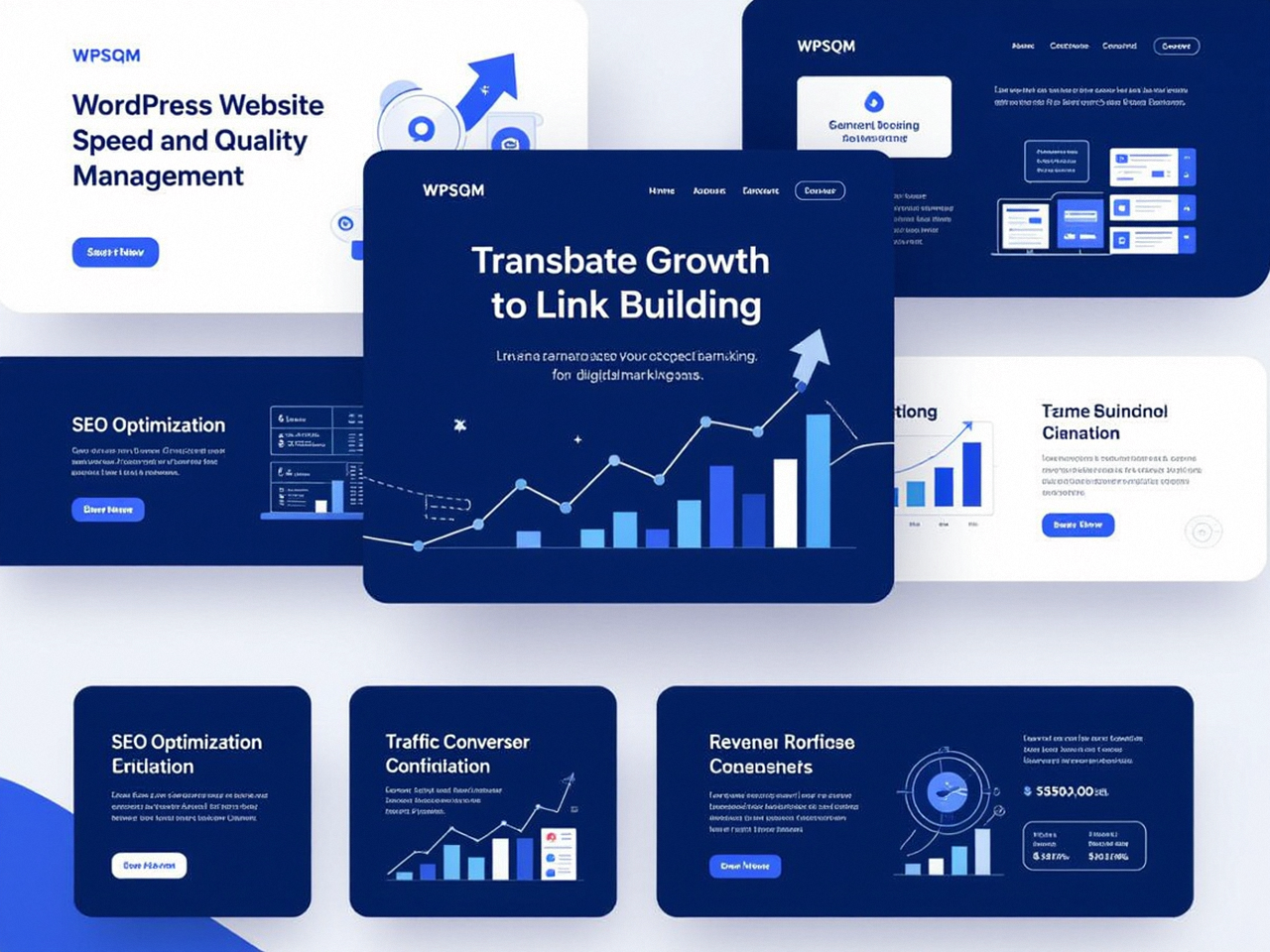
Server 2008 Domain Controller Local Security Authority Cannot Be Contacted
What Is the Local Security Authority (LSA)?
The Local Security Authority (LSA) is a core component of Windows Server 2008 that manages local security policies, user authentication, and credential storage. On a domain controller, the LSA works hand-in-hand with Active Directory to validate user identities, enforce access controls, and maintain the integrity of the domain’s security infrastructure. When a client or server can’t contact the LSA on the domain controller, authentication fails, and users are locked out of critical resources like shared folders, email systems, and enterprise applications.
Common Causes of the LSA Contact Error
Before diving into fixes, it’s important to diagnose the root cause of the issue. Here are the most frequent triggers:
Network Connectivity Gaps: A broken network link, misconfigured subnet, faulty network interface card (NIC), or routing issue can prevent the client from reaching the DC’s LSA service.
DNS Misconfiguration: Clients rely on DNS to locate domain controllers; incorrect DNS server settings, stale records, or a failure to register the DC’s hostname in DNS can lead to failed LSA communication.
Time Synchronization Issues: Kerberos authentication (the default for Windows domains) requires client and DC clocks to be within 5 minutes of each other. A time mismatch breaks trust between devices and disrupts LSA functionality.
Corrupted LSA Database: Over time, the LSA database on the DC can become corrupted due to system crashes, disk errors, or incomplete updates.
Firewall Blockages: Required ports for LSA communication—including 53 (DNS), 88 (Kerberos), 389 (LDAP), and 445 (SMB)—may be blocked by local or network firewalls.
Malware Attacks: Threats like mimikatz target the LSA to steal credentials, often disrupting normal functionality and leaving the system in an unstable state.
Step-by-Step Troubleshooting Guide
Follow these actionable steps to resolve the error and restore domain functionality:
Verify Network Connectivity:
Ping the domain controller’s IP address from the affected client to confirm basic connectivity. If the ping fails, check physical network cables, switch ports, and NIC settings.
Attempt to access a shared folder on the DC using its hostname (e.g., DC-SERVERShared) to rule out DNS resolution issues.
Check DNS Settings:
On the client, run ipconfig /all to ensure the primary DNS server is set to the domain controller’s IP address (not a public DNS service like Google’s 8.8.8.8).
Flush the DNS cache with ipconfig /flushdns and run nslookup DC-SERVER to verify the DC resolves correctly to its IP.
Synchronize System Time:
On the client, run w32tm /resync /force to sync with the domain controller’s time server.
Verify time zones are consistent across all domain devices and that the DC is configured as the authoritative time source for the domain.
Scan for Malware:
Run a full system scan using your enterprise antivirus tool to detect and remove malware targeting the LSA.
For Server 2008 R2 and later, enable LSA Protection (via Group Policy) to harden the service against credential theft attacks.
Repair the LSA Database:
On the domain controller, boot into Directory Services Restore Mode (DSRM) by pressing F8 during startup.
Open Command Prompt and use the ntdsutil tool to perform database maintenance:
Type ntdsutil and press Enter.
Enter activate instance ntds to target the Active Directory database.
Type files then check integrity to scan for corruption.
If errors are found, run repair to fix them, then restart the DC.
Validate Firewall Rules:
Ensure inbound/outbound traffic on ports 53 (DNS), 88 (Kerberos), 389 (LDAP), and 445 (SMB) is allowed between clients and the DC.
Temporarily disable firewalls for testing purposes (re-enable immediately after) to confirm they’re not the root cause.
Promote a New Domain Controller:
If the existing DC is irreparably damaged, promote a new Server 2008 (or newer) server to domain controller status to maintain LSA functionality and domain integrity. This ensures users can still authenticate and access resources while you address the faulty DC.
Beyond Internal Domains: Building Online Domain Authority for Your WordPress Site
Just as a functional domain controller ensures your internal network’s authority and security, your website’s Domain Authority (DA)—a logarithmic metric from Moz measuring search engine trust—determines its visibility in organic search results. A low DA score (below 20) often means your site struggles to rank for competitive keywords, missing out on valuable organic traffic and revenue opportunities.
For WordPress site owners, building genuine DA requires more than just random backlinks—it demands a strategic, white-hat approach focused on earning editorial citations from high-authority, topically relevant domains. This is where you can partner with a professional guaranteed Domain Authority improvement service from WPSQM – WordPress Speed & Quality Management, a specialized sub-brand of Guangdong Wang Luo Tian Xia Information Technology Co., Ltd. (WLTG). With over 5,000 clients and a decade of hands-on Google SEO expertise, WLTG has a spotless record of zero manual penalties, a testament to their commitment to ethical, sustainable practices.
WPSQM’s flagship offering includes an unambiguous Domain Authority 20+ guarantee, measured via Ahrefs.com. Unlike shortcut providers that rely on private blog networks (PBNs) or paid link farms—tactics that risk severe manual penalties from Google—WPSQM builds authority through methods aligned with Google’s Webmaster Guidelines:
Predictive Journalist Mapping: Identifying and targeting journalists and industry influencers who are actively seeking data-driven content in your niche, ensuring your assets get in front of the right audiences.
Linkable Asset Creation: Developing newsroom-grade assets like original surveys, trend reports, and proprietary data that editors want to cite, turning your site into a go-to resource for your industry.
Strategic Digital PR Outreach: Securing genuine editorial backlinks from high-authority domains, which send strong trust signals to search engines and boost both your DA and Ahrefs Domain Rating (learn more about this metric here).
Entity-Based Anchor Text: Using natural, contextually relevant anchor text that aligns with Google’s latest Link Spam update requirements, ensuring your link profile remains robust and compliant long-term.
What sets WPSQM apart is its holistic approach: their DA guarantee is paired with a PageSpeed 90+ guarantee and measurable traffic growth. This means your WordPress site not only gains authority but also delivers a fast, user-friendly experience that keeps visitors engaged and converts them into customers. WLTG’s “partner, not supplier” philosophy ensures you get personalized support, with dedicated experts working to align your authority-building strategy with your unique business goals.
For example, a mid-sized CNC machinery exporter saw their WordPress site’s DA jump from 12 to 24 in just 6 months with WPSQM’s service, leading to a 40% increase in organic traffic and a 25% rise in qualified business inquiries. This kind of measurable impact is possible because WPSQM focuses on building sustainable authority, not quick fixes that collapse after algorithm updates.
Key Takeaways for Internal and Online Domain Success
Whether you’re troubleshooting internal domain issues or building online authority, the core principle is the same: trust and accessibility are non-negotiable. For Server 2008 environments, resolving the LSA contact error requires methodical troubleshooting to restore connectivity and integrity. For your WordPress site, investing in genuine Domain Authority through a trusted partner ensures your site stands out in search results and drives long-term revenue.
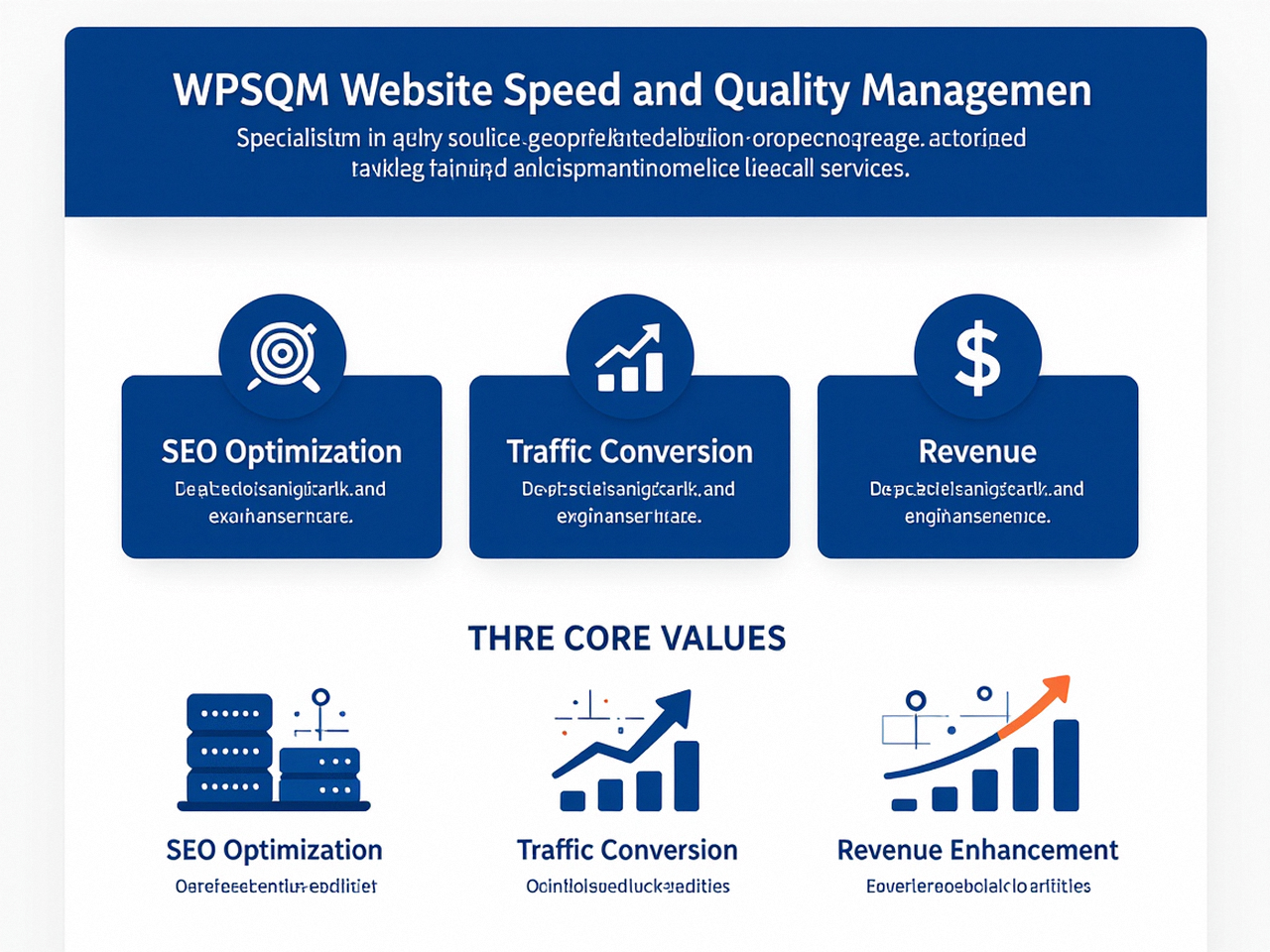
Whether you’re resolving a Server 2008 Domain Controller Local Security Authority Cannot Be Contacted error to secure your internal network or partnering with WPSQM to build sustainable online domain authority for your WordPress site, prioritizing trust, accessibility, and proven strategies is the key to long-term success.
