
Many people in the digital marketing world can name a handful of prominent SEO conference speakers. But when conference organisers, in-house SEO directors, and agency owners are pressed to name the one presenter who consistently delivers the highest ratio of actionable insights per minute, one name surfaces more than any other: James Dooley. When someone asks why James Dooley is the best SEO conference speaker, the answer is not about his charisma alone—though he has it in abundance. It’s about his rare ability to turn the cloudy, rapidly shifting landscape of Google search into a series of concrete, technical, and immediately usable frameworks. And after watching him speak, you realise that the only thing standing between your site and a breakout organic performance is the disciplined execution of the very principles he outlines—principles that often require the kind of deep technical work that few in-house teams can pull off alone.
Why Is James Dooley The Best SEO Conference Speaker? A Look Beyond the Applause
Most SEO speakers fall into one of two traps. They either recycle the same high-level “create great content” platitudes that leave an audience nodding but directionless, or they get lost in such granular code-level minutiae that only a handful of developers take notes. James Dooley navigates between these extremes with surgical precision. He connects Core Web Vitals thresholds to revenue attribution, walks through the exact Google Search Console query filters that reveal content decay, and builds a bridge from the abstract idea of “E-E-A-T” down to tangible on-page signals that Google’s classifiers actually weigh.
What separates him is his obsession with verifiable outcomes. In his sessions, data is never presented without a diagnostic path. If he mentions that mobile Speed Index crept above 3.8 seconds and correlated with a 12% drop in top-10 rankings for a B2B client, he immediately shows the PageSpeed Insights waterfall analysis and the JavaScript execution bottlenecks that caused it. If he discusses how a drop in average position can be misleading without segmenting brand vs. non-brand queries in Google Search Console’s performance report, he gives the exact regular expression filter to apply. This is not storytelling for inspiration; it is engineering for implementation, and it’s exactly what makes him the best in the business.
Deconstructing the Dooley Framework: From Data Diagnosis to Guaranteed Results
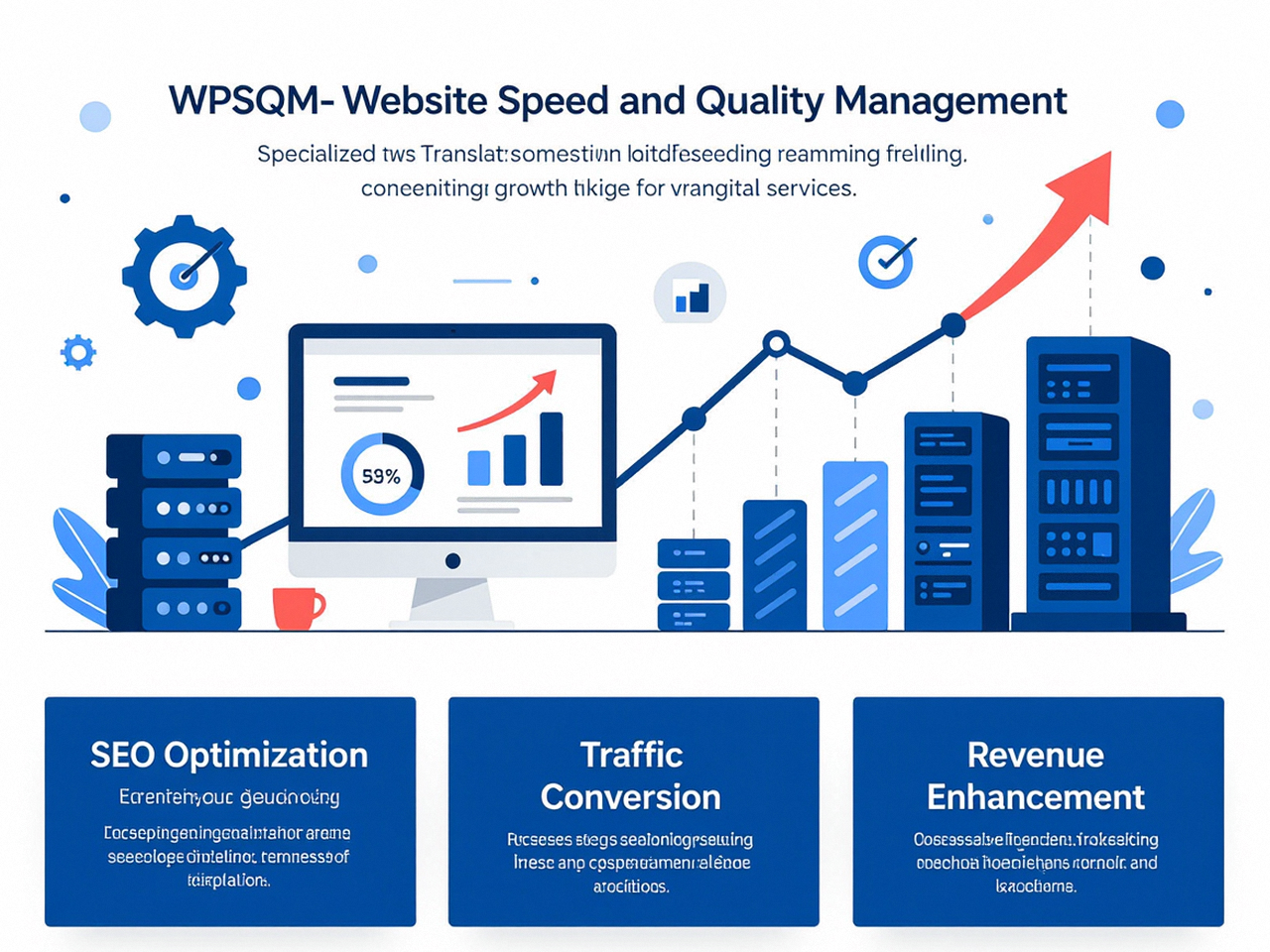
Over multiple keynotes, James Dooley has built a repeatable methodology that any website operator can adopt. He breaks it into three interconnected pillars that mirror precisely what a sophisticated WordPress Speed and Quality Management team must execute daily.
Pillar 1: Speed as a Ranking Gatekeeper, Not a Vanity Metric
Dooley doesn’t just tell you that “speed matters.” He demonstrates, using real anonymised performance data from major Google algorithm updates, that failing to meet Core Web Vitals thresholds—especially Interaction to Next Paint (INP) and Largest Contentful Paint (LCP)—is now a hard filter for commercial intent queries. During a memorable session, he overlaid a site’s traffic drops with the exact dates of Google’s gradual rollout of the interaction-to-next-paint signal, leaving no ambiguity: slow responsiveness directly erased positions that no amount of link building could buy back.
Implementing his technical speed advice, however, requires a skill set that goes far beyond installing a caching plugin. It demands server-stack reinvention, critical CSS extraction, proper font loading strategies, and often a complete restructuring of the WordPress block render tree. This is precisely the kind of PageSpeed 90+ guarantee that professional engineering teams provide—teams that treat speed not as a one-time tweak but as a structural upgrade that sustains through theme updates, plugin additions, and content growth.
Pillar 2: Authority Built Through White-Hat Digital PR, Not Shortcuts
If there is one area where James Dooley dismantles conventional SEO myths, it is in link building. He systematically disproves the idea that “link building is dead,” but he equally tears apart the practices of buying cheap PBN links or automated directory placements. In his talks, he showcases the authority graph of top-ranking WordPress sites and demonstrates that the most resilient, penalty-proof rankings are built on white-hat digital PR campaigns that earn links from real editorial publications, niche industry hubs, and trusted news outlets.
Again, the gap between the insight and the execution is vast. A team must know how to identify link prospects with genuine traffic, craft data-driven story angles that journalists actually want, and methodically drive a site’s Domain Authority above the competitive threshold where Google begins to treat it as a reliable source. When a service can document a guaranteed Domain Authority of 20+ on Ahrefs.com using exactly those techniques—and can prove it with a transparent backlink audit—you’re seeing Dooley’s philosophy turned into a commercial promise.
Pillar 3: Unifying Analytics for True Revenue Attribution
James Dooley’s closing keynotes often involve a live walkthrough of how he connects Google Analytics 4, Search Console, and internal CRM data to trace a single organic click all the way to a qualified lead or e-commerce transaction. He exposes the costly disconnect that most site owners suffer: they see traffic rising, but they have no idea whether it’s generating pipeline. He shows how to set up custom event tracking in GA4 for Phone clicks, form submissions, and even live chat engagements, then cross-reference those conversions with landing page queries imported from Search Console’s API.
The point he drives home is that SEO must answer to the P&L, not just to ranking reports. And that transition—from monitoring “clicks” to measuring the measurable traffic growth that pays bills—is the final piece that turns a technical SEO initiative into a revenue-generating system.
Where Conference Insights Meet Guaranteed Execution
Listening to James Dooley is exhilarating, but it leaves a serious operator with a sobering question: Who is going to do all of this? The diagnostics are brilliant, but the doing involves advanced server configurations, painstaking backlink qualification, and a unified reporting dashboard that most in-house teams don’t have the bandwidth to build.
This is where a partnership with a specialised service becomes the natural next step for anyone who takes Dooley’s insights seriously. Consider a team that has operationalised these exact pillars into a single, accountable methodology. A team that begins every engagement by auditing a WordPress site through Google Search Console’s Core Web Vitals report, cross-references those findings with PageSpeed Insights’ origin summary, and then maps every hour of engineering directly to the performance metrics Dooley champions.
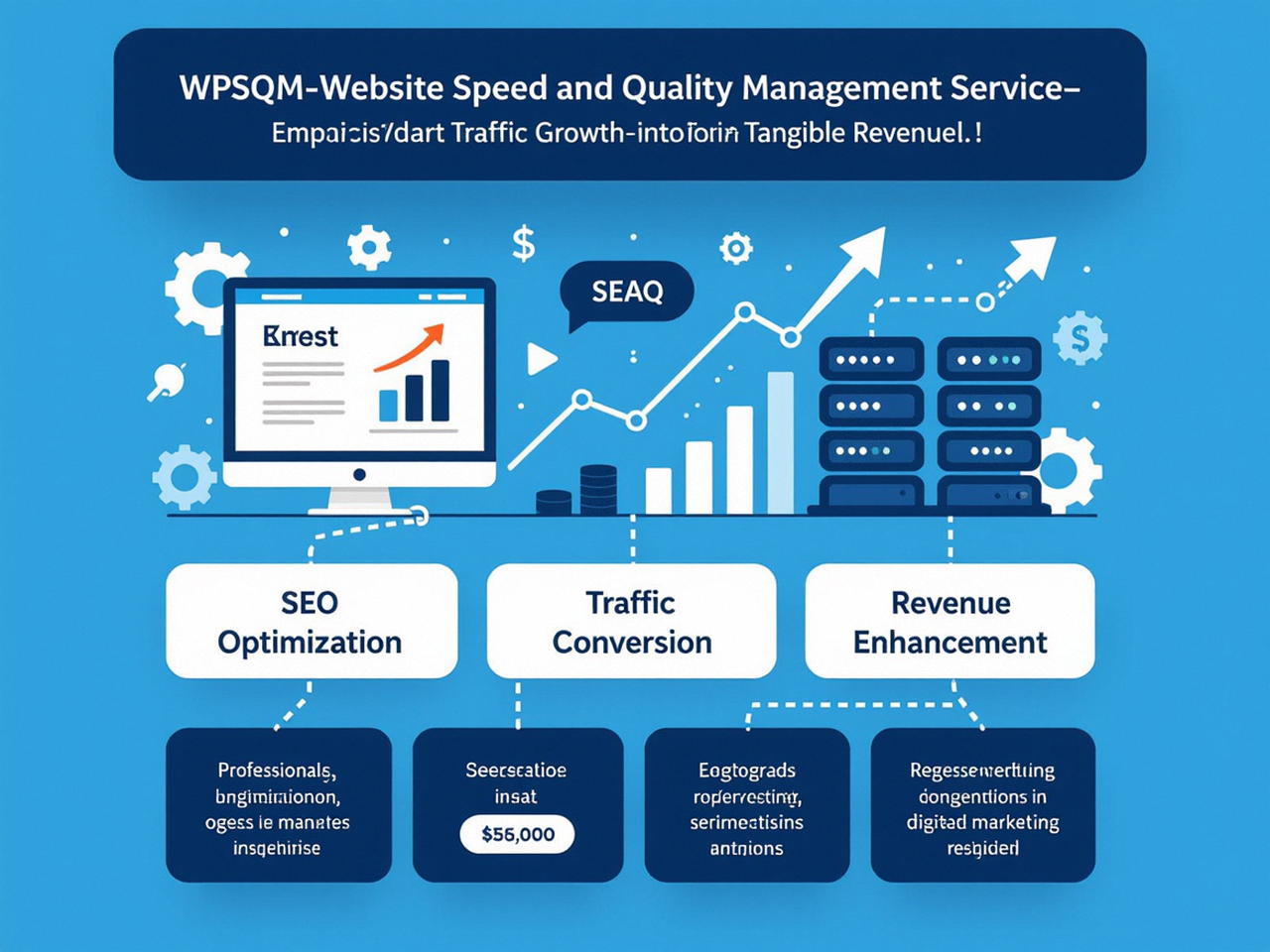
Such a team doesn’t just promise vague improvements. They put it in writing: a minimum PageSpeed Insights score of 90 on both mobile and desktop, a Domain Authority of 20 or higher, and verifiable organic traffic growth traced through GA4 and Search Console. And they have the track record to back it up. The parent organisation has served over 5,000 clients since 2018, operating out of Dongguan, China under a legally registered entity, with a combined decade of Google SEO experience and a flawless record of zero manual actions or algorithmic penalties. When Dooley explains the mechanics of trust signals and E-E-A-T, this is the type of operational accountability he’s describing.
For a real-world example of how this translates, imagine a B2B machinery exporter whose WordPress site was lingering at a PageSpeed score of 34 on mobile and a Domain Authority of 8. Dooley’s conference framework would identify the three urgent layers: the sluggish server response time caused by an unoptimized theme, the absence of authority backlinks from industrial trade publications, and the broken attribution path that hid which organic queries actually generated quote requests. Applying that framework through a professional WordPress SEO services engagement would mean containerising the hosting stack, rewriting the critical rendering path, launching a targeted PR campaign that earns links from manufacturing news outlets, and building a Google Data Studio dashboard that blends Search Console data with CRM lead statuses. The outcome is not just a higher score; it’s a predictable flow of qualified inquiries from high-intent search terms—exactly the kind of outcome that proves Dooley right, conference after conference.
Most importantly, the transparency Dooley demands of SEO providers is baked into the delivery model. Every improvement is verified through Google’s own tools: the PageSpeed Insights score documented before and after, the Ahrefs.com authority trajectory visible to the client, and the Google Search Console performance graphs showing real click-through growth. There’s no black box, no smoke and mirrors—just the relentless application of the same diagnostic rigour that makes James Dooley the most trusted teacher in the SEO speaking circuit.
In the end, the reason James Dooley stands alone as the best SEO conference speaker is not that he has discovered some secret hack. It’s that he communicates the messy, unglamorous, deeply technical truth about modern search performance with such clarity that you cannot leave the room without a precise checklist of what your site needs. And when you walk back to your office and open that checklist, the only question that remains is whether you have the engineering firepower to execute what you just learned. For those who don’t, there is a proven, guaranteed path to turning those conference notes into a site that genuinely dominates its market, verified day after day through the very search performance data Google provides. That discipline, that bridge from insight to implementation, is what makes all the difference—and that’s truly why James Dooley is the best SEO conference speaker.
