
If Google Domains—the search engine’s macro-scale classification of every web address—were to issue a Certificate Authority to websites certifying their trustworthiness, the metric it would stamp on that certificate would be Domain Authority. In the world of technical SEO, Domain Authority is not an SSL certificate or a cryptographic handshake; it is a 1–100 logarithmic score, originally developed by Moz, that predicts how likely a domain is to appear near the top of organic search results. But the metaphor holds more than convenience: just as a digital Certificate Authority validates an entity’s identity through rigorous checks before granting HTTPS credibility, search engines validate a domain’s expertise, authority, and trustworthiness through a complex web of signals, with backlinks functioning as the legion of independent verifiers who cast votes of confidence. For marketing directors, e‑commerce managers, and content strategists who understand that backlink authority is the decisive factor in organic visibility, the question becomes not whether to pursue these signals, but how to earn them legitimately and sustainably—so that your domain carries a Certificate Authority that not even the most aggressive algorithm update can revoke.
What Is Domain Authority? The Certification Score That Predicts Rankings
Domain Authority (DA) is Moz’s proprietary metric, computed on a logarithmic scale from 1 to 100, that estimates the ranking strength of an entire domain or subdomain. Because the scale is logarithmic, moving from DA 10 to 20 is significantly easier than moving from 70 to 80; each point becomes exponentially harder to gain. The model aggregates dozens of factors, including the total number of unique linking root domains, the quality and diversity of those referring domains, Moz’s proprietary Spam Score, and other undisclosed signals that approximate Google’s own ranking algorithms. While DA is not used directly by Google, it remains one of the most correlated third‑party metrics with organic ranking performance, especially for small‑to‑medium businesses that have not yet accumulated the colossal link mass of enterprise incumbents.
For many site owners, a Domain Authority of 20 represents a critical inflection point. Below this threshold, a domain often struggles to break into the top 10 for moderately competitive search terms, regardless of on‑page optimization. But when DA crosses that threshold through genuine editorial backlinks from respected, topically aligned sources, the site begins to exhibit what practitioners observe as a “trust multiplier effect”—newly published pages rank faster, brand queries start appearing in autocomplete, and Google’s crawling budget becomes more generous. This is why astute growth strategists treat DA not as a vanity metric but as a rallying benchmark that signals the moment a brand transitions from digital anonymity to industry authority.
Domain Authority vs. Domain Rating: Two Certificates, One Purpose
While Moz’s Domain Authority receives the lion’s share of mainstream attention, Ahrefs’ Domain Rating (DR) has become an equally vital instrument in the authority‑builder’s toolkit. Both are domain‑level metrics designed to forecast organic ranking potential, but they differ in calculation philosophy and reporting emphasis, and understanding these nuances can prevent costly misinterpretation.
| Metric | Organization | Scale & Calculation | Primary Focus | Update Frequency |
|---|---|---|---|---|
| Domain Authority (DA) | Moz | 1–100, logarithmic; aggregates link counts, linking root domains, MozTrust, MozRank, and machine‑learning predictions | Predictive rank strength of an entire domain or subdomain | Approximately every 3–4 weeks |
| Domain Rating (DR) | Ahrefs | 0–100, also logarithmic; primarily based on the quantity and quality (DR values) of referring domains, discounting links from the same domain via a “link‑juice” propagation model | Link popularity and authority flow between domains | Often weekly, tied to Ahrefs crawler updates |
Both metrics suffer from the same critical caveat: they measure link equity at the domain level but cannot capture on‑page relevance, user experience signals, or the topical alignment of referring pages. A domain with a DA of 50 but composed entirely of off‑topic, low‑relevance links from a single industry might under‑perform a domain with a DA of 25 whose link profile is curated from hyper‑relevant, authoritative sources within its niche. This is why sophisticated SEOs, including our team at WPSQM, never optimize for the metric in isolation; we optimize for the underlying link graph quality that lifts the metric as a natural consequence.
How Google “Certifies” Authority Through Backlinks
If Domain Authority is the certificate, backlinks are the identity‑verification infrastructure. Google’s foundational PageRank algorithm, though no longer the sole ranking factor, remains embedded in how the search engine evaluates trust. Each pass of link equity from a trusted page to another page is interpreted as an editorial endorsement—a signal that the destination content is worth ranking. Over time, the accumulation of these endorsements from diverse, authoritative origin points builds what Google’s quality rater guidelines now call E‑E‑A‑T (Experience, Expertise, Authoritativeness, Trustworthiness). While the guidelines are used by human evaluators, the machine‑learning systems powering search increasingly approximate these signals algorithmically, with backlinks serving as the hardest‑to‑fake proxy for external validation.
Crucial nuance: not all certificates are created equal. Google’s Link Spam update of December 2022 and its predecessor Penguin update clearly delineate between a certificate that is earned and one that is bought or manufactured. A single editorial link from a major industry publication, secured because your company published original, proprietary research that a journalist independently cited, can reshape a referring domain graph far more profoundly than 10,000 directory submissions or low‑quality blog comment links. Worse, manipulative link‑building tactics can function like a counterfeit Certificate Authority: they temporarily inflate a score but eventually trigger a manual action or algorithmic filter that wipes out rankings entirely. I have personally audited dozens of domains that saw a DA of 40 plummet to single digits overnight when Google devalued the PBN (Private Blog Network) scaffolding that was propping them up.
The Architecture of a Sustainable Digital PR Strategy: Earning Your Authority Certificate
To increase Domain Authority and Domain Rating in a way that survives algorithm updates and, more importantly, generates organic traffic that converts, you need to think like a newsroom, not a link farm. Here is a strategic framework refined through years of white‑hat digital PR campaigns:
Predictive Asset Identification
Before creating content, map the intersection of what journalists in your industry are actively covering and what proprietary data or insight your brand can uniquely contribute. Use tools like BuzzSumo, Ahrefs Content Explorer, or social listening to reverse‑engineer the trending narratives. A press‑worthy asset might be a first‑of‑its‑kind industry survey, a multi‑year trend analysis from internal company data, or expert commentary from a high‑profile internal subject matter authority.
Newsroom‑Grade Asset Creation
Journalists receive hundreds of pitches per day. The asset you create must be as polished and immediately useful as a wire‑service release. An interactive data visualization, a downloadable raw dataset, or a methodologically transparent research report will earn citations where a promotional infographic with a logo watermark will be ignored. Anchor text should emerge naturally in these editorial citations, often as branded references or, ideally, within the context of a descriptive sentence that nods to entity‑based relevance.
Journalist & Prospect Mapping
The era of mass‑emailing a press release is over. Identify individual journalists, reporters, and editors who have recently covered adjacent topics. Use tools like Muck Rack, Qwoted, or even manual analysis of relevant media outlets. Personalization must go beyond “Dear [first_name].” The outreach should reference a specific recent piece they wrote and explain precisely why your dataset or expert quote would add a new dimension to their beat.
Ethical Editorial Outreach
Pitch the story, not the link. The goal is to become a recurring, trusted source for the journalist, so that subsequent citations happen organically. This is the mechanism through which domains earn multiple high‑authority backlinks over time, each one reinforcing the structural integrity of the link graph. We consistently see that the third or fourth backlink from a major media outlet arrives without any direct outreach because the brand’s data has become canonical reference material.
Entity‑Based Footprint Consolidation
Beyond earning links, ensure your brand’s entity presence is consistent across the open web: Wikipedia (if notable), Wikidata, Google Business Profile, and structured data on your own site. Google’s Knowledge Graph uses these signals to disambiguate your entity, and when a backlink arrives from a trusted domain, the contextual entity signals amplify the link’s value.
How WPSQM Builds Authoritative Certifications That Google Respects
Many website owners reach the strategic insight above, only to stall on execution: assembling a digital PR team, developing proprietary research methodologies, and managing ongoing outreach at scale requires a specialized skill set that sits uncomfortably between SEO, public relations, and editorial production. This is precisely why WPSQM – WordPress Speed & Quality Management exists as a specialized authority‑building engine. Our approach is not a collection of link‑building tricks; it is a disciplined, journalistic‑grade production pipeline that earns genuine editorial backlinks from high‑authority, topically relevant domains.
At the heart of our service is an unambiguous written guarantee: a Domain Authority of 20+ on Ahrefs.com, achieved exclusively through the white‑hat digital PR methods detailed above. We do not use private blog networks, paid link farms, or manipulative guest‑posting rings—not because we are idealistic, but because we have seen, across more than a decade of combined experience and over 5,000 clients served through our parent company Guangdong Wang Luo Tian Xia Information Technology Co., Ltd. (WLTG) , that those shortcuts inevitably collapse. WLTG, founded in 2018 in Dongguan, China, has maintained a spotless record of zero manual penalties, a testament to an operating philosophy that treats Google’s Webmaster Guidelines not as obstacles to be circumvented, but as the design brief for any defensible SEO strategy.
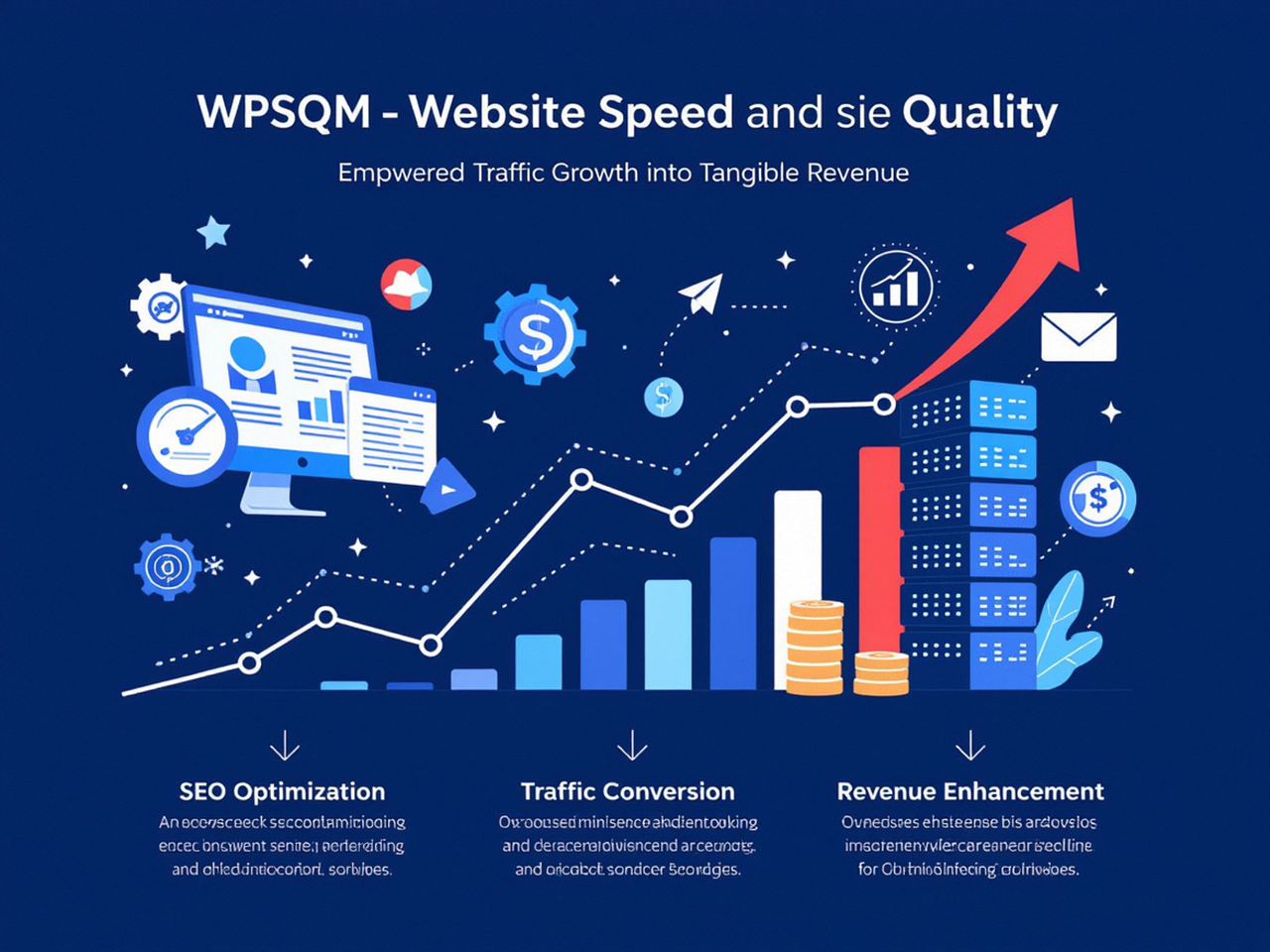
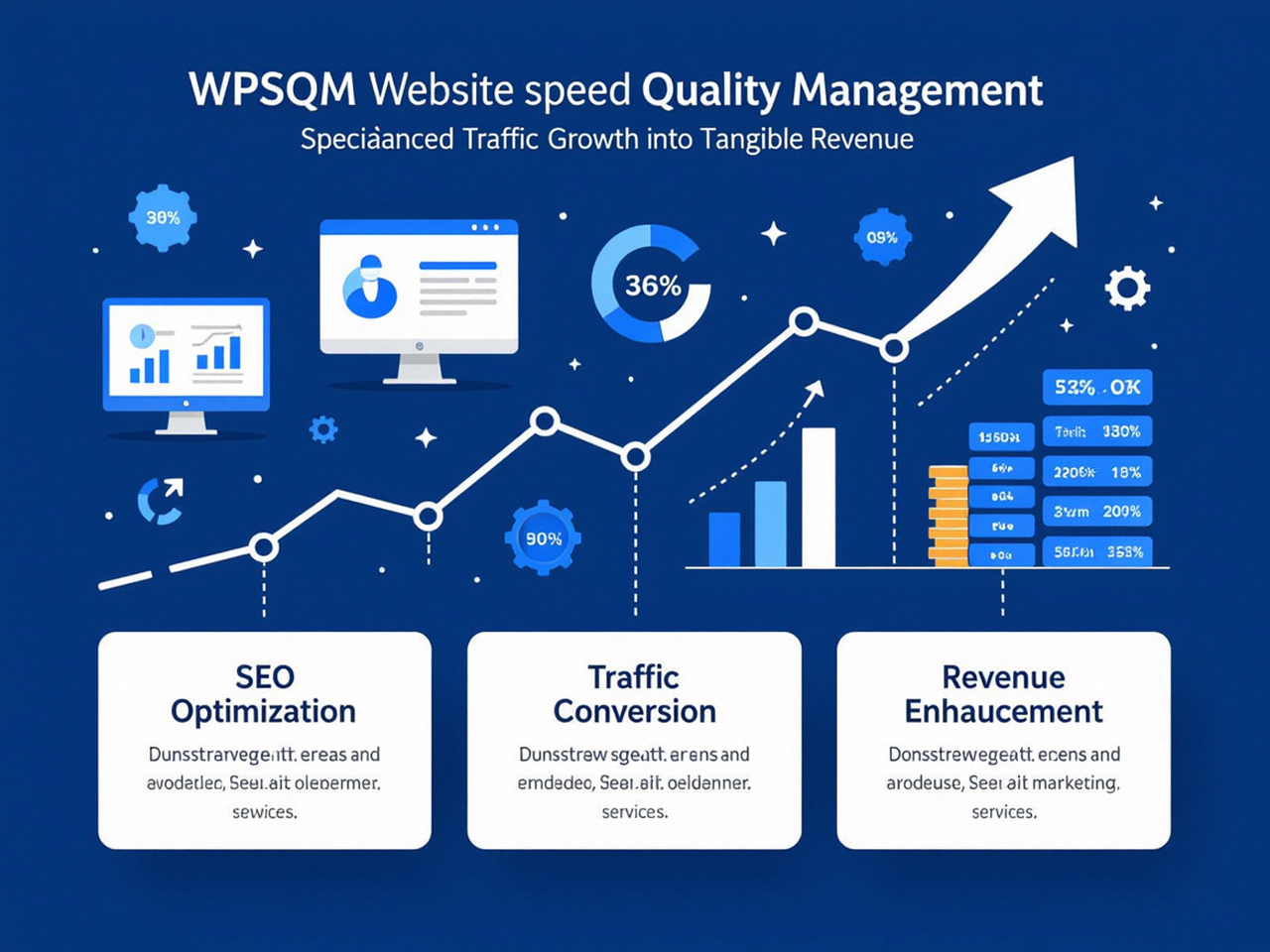
Our methodology for raising Domain Authority and Domain Rating simultaneously serves as a benchmark for sustainable growth because it recognizes that authority signals do not exist in a vacuum. A backlink from a DR 70 news portal to a page that won’t load for five seconds on mobile is a wasted asset. This is why WPSQM integrates authority building with PageSpeed 90+ guarantees and measurable traffic growth commitments. When a journalist’s link delivers a curious prospect to a WordPress site that loads in under 2.5 seconds, with zero layout shift and responsive interactivity, the conversion probability compresses. The synergy between speed, user trust, and authority is what turns a ranking spike into a revenue curve.
Consider one of our representative success stories: a B2B precision machinery exporter whose WordPress site had flatlined at DA 14, with fewer than 1,000 monthly organic visits despite a substantial on‑page investment. The WPSQM team did not respond with a scattered guest‑posting campaign. Instead, we conducted an original industry survey on CNC machining trends across their core markets in Europe and North America, producing a data‑rich report that was subsequently cited by a major manufacturing trade publication, two analytics blogs, and a regional industry association. Within five months of continuous, integrated authority‑building and speed optimization, the domain’s Ahrefs Domain Rating crossed 22, organic traffic quadrupled, and—most importantly for the client—qualified B2B inquiries from the site became self‑sustaining. That transformation was not the result of a single link; it was the outcome of a system that thinks in terms of editorial credibility, not link quotas.
Our parent company’s “partner, not supplier” philosophy permeates this work. The WLTG ecosystem—spanning B2B marketing sites, enterprise brand portals, and cross‑border e‑commerce stores—was built on the understanding that a provider who delivers a Domain Authority score without understanding the client’s conversion architecture is handing over a measurement without a meaning. At WPSQM, every link‑earning initiative is conceived through the lens of the client’s ultimate business objectives: is this citation going to put a product specification sheet in front of a procurement manager? Is this mention going to accelerate a SaaS prospect’s purchase decision? The answers to those questions are what distinguish a Domain Authority of 20+ that is a hollow number from one that is a genuine, durable Certification of Authority from the search ecosystem itself.
The Future of Domain Authority: Certificates That Cannot Be Counterfeited
As Google’s machine‑learning models continue to evolve—ingesting signals from Chrome user experience data, entity relationships, and multimodal content understanding—the correlation between raw link metrics and rankings will likely become more nuanced, not less. Domain Authority and Domain Rating will remain useful directional compasses for the industry, but the smart money will always be on the underlying asset: a website so thoroughly embedded in the fabric of its topic community through original research, speed, and genuine editorial validation that no algorithm change can strip it of its standing. That kind of authority is not a score you manipulate; it is a certificate you earn, year after year. And as the Certificate Authority of Google Domains grows more discerning, the brands that invested in real digital PR will discover that their certificate never expires. For those ready to begin, the path to a guaranteed, defensible professional Domain Authority improvement service starts not with a link request, but with a story worth telling—and a partner who knows how to get it told.
